Cultural Tourism and Its Growing Popularity
Travel has always been a way for people to discover new places, but modern travelers are increasingly looking for deeper and more meaningful experiences. Instead of simply visiting famous attractions, many tourists want to understand local traditions, history, art, food, and lifestyles.
This growing interest has contributed to the rise of cultural tourism—a form of travel focused on experiencing the heritage and identity of different communities. From exploring ancient cities and museums to participating in local festivals and traditional activities, cultural tourism connects travelers with the stories behind destinations.

What Is Cultural Tourism?
Cultural tourism involves traveling to experience the cultural characteristics of a destination.
It includes activities such as:
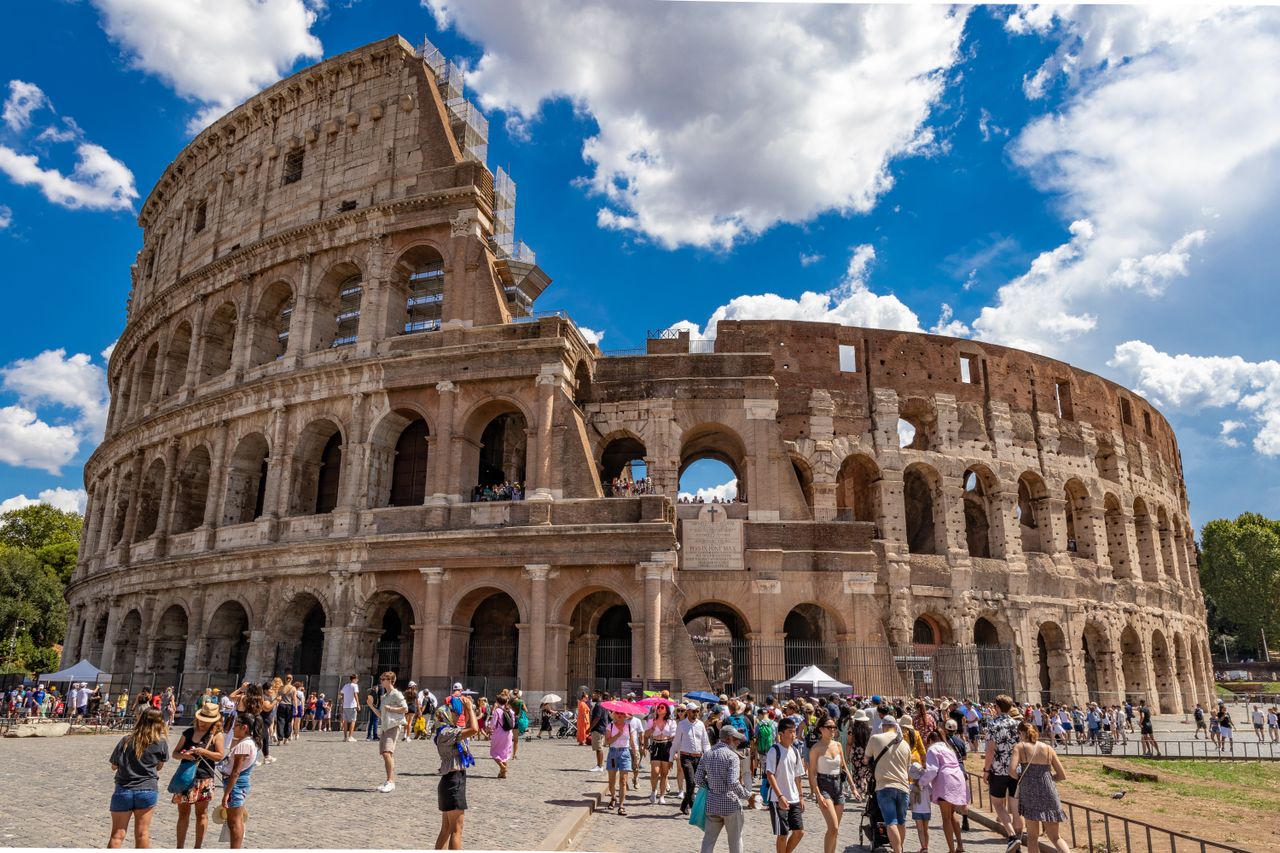
- Visiting historical landmarks
- Exploring museums and galleries
- Attending cultural festivals
- Learning traditional crafts
- Trying local cuisine
- Discovering indigenous traditions
- Participating in local events
Unlike traditional sightseeing, cultural tourism focuses on understanding the meaning, history, and values behind a place.
Why Cultural Tourism Is Becoming More Popular
Several factors are driving the growth of cultural tourism:
- Increased interest in authentic experiences
- Growth of social media inspiration
- Greater accessibility to international travel
- Desire for educational experiences
- Support for local communities
- Interest in preserving cultural heritage
Today’s travelers often want more than photographs—they want stories, connections, and memorable experiences.
Table: Types of Cultural Tourism Experiences
|
Experience Type |
Examples |
Main Attraction |
|
Historical Tourism |
Ancient cities, monuments, castles |
Learning about the past |
|
Culinary Tourism |
Local dishes, cooking classes, food markets |
Discovering traditions through food |
|
Festival Tourism |
Cultural celebrations and events |
Experiencing local customs |
|
Art Tourism |
Museums, galleries, workshops |
Exploring creativity and heritage |
|
Indigenous Tourism |
Traditional communities and practices |
Understanding unique cultures |
Authentic Experiences Attract Modern Travelers
One of the biggest reasons cultural tourism is growing is the demand for authenticity.
Many travelers are moving away from standardized vacations and looking for experiences that feel personal and unique.
Examples include:
- Cooking with local families
- Learning traditional crafts
- Visiting small villages
- Participating in cultural ceremonies
- Exploring local neighborhoods
These experiences create stronger emotional connections between visitors and destinations.
Food as a Gateway to Culture
Cuisine is one of the most popular ways travelers discover new cultures.
Food tourism allows visitors to experience:
- Traditional recipes
- Local ingredients
- Cooking techniques
- Regional customs
- Family traditions
A meal can tell the story of a community’s history, geography, and lifestyle.
From street food markets to traditional restaurants, culinary experiences have become an important part of cultural travel.
Festivals and Events Drive Tourism Growth
Cultural festivals attract millions of visitors each year by offering unique experiences that cannot be easily recreated elsewhere.
Popular festival experiences include:
- Music celebrations
- Religious events
- Historical reenactments
- Traditional performances
- Art exhibitions
These events allow travelers to become part of local traditions rather than simply observe them.
Cultural Tourism Supports Local Communities
Cultural tourism can provide important economic benefits for destinations.
It helps support:
- Local businesses
- Artists and craftspeople
- Family-owned restaurants
- Tour guides
- Cultural organizations
When managed responsibly, tourism revenue can help preserve traditions and create opportunities for local communities.
Museums and Heritage Sites Remain Popular
Museums, historical buildings, and heritage locations continue to attract cultural travelers.
Modern cultural attractions increasingly offer:
- Interactive exhibitions
- Digital experiences
- Guided storytelling
- Virtual tours
- Educational programs
These innovations make history and culture more accessible to younger generations.
Social Media Is Changing Cultural Travel
Social media has played a major role in the popularity of cultural tourism.
Travelers discover destinations through:
- Videos
- Travel blogs
- Photography
- Online recommendations
- Creator content
A unique cultural experience can quickly gain international attention, encouraging more people to explore lesser-known destinations.
Cultural Tourism and Sustainable Travel
Many travelers are becoming more conscious of the environmental and social impact of tourism.
Cultural tourism often supports more sustainable travel by encouraging:
- Longer stays
- Local spending
- Smaller group experiences
- Preservation of traditions
- Respect for communities
Responsible cultural tourism helps protect destinations while allowing visitors to learn from them.
The Future of Cultural Tourism
Cultural tourism is expected to continue growing as travelers search for meaningful experiences.
Future trends may include:
- Personalized cultural itineraries
- Virtual and augmented reality experiences
- Community-led tourism
- Greater focus on sustainable travel
- More interest in lesser-known destinations
Technology will make cultural experiences easier to discover while local communities will play an increasingly important role in shaping tourism.
Conclusion
Cultural tourism has become one of the fastest-growing areas of travel because it offers something beyond traditional vacations. It allows people to connect with history, traditions, communities, and different ways of life.
The takeaway: the future of travel is not only about seeing new places—it is about understanding them. Cultural tourism creates meaningful connections between visitors and communities while helping preserve the stories that make each destination unique.
Frequently Asked Questions
When managed responsibly, cultural tourism can support environmental protection, cultural preservation, and local economic development.