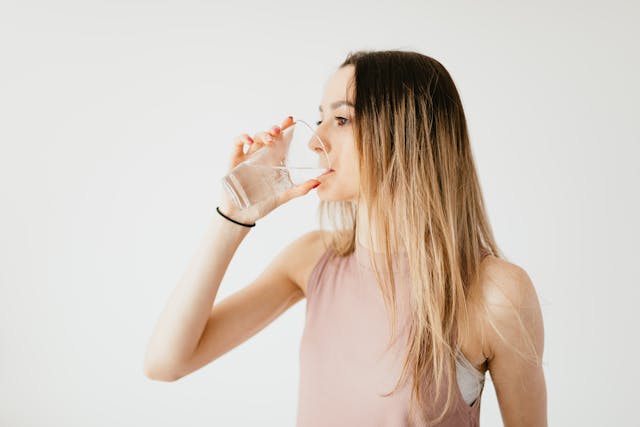
Why Hydration Matters
Your body is about 60% water. Every cell, tissue, and organ depends on it to function properly. Here's what water does for you:
-
Regulates body temperature
-
Transports nutrients and oxygen
-
Flushes out toxins
-
Supports skin elasticity and appearance
-
Lubricates joints
-
Promotes healthy digestion and metabolism
Even mild dehydration can affect physical and mental performance—causing fatigue, headaches, dizziness, and poor concentration.
How Much Water Do You Need?
The “8 glasses a day” rule is a helpful guideline, but needs can vary depending on:
-
Age and gender
-
Activity level
-
Climate and environment
-
Health conditions
-
Diet (especially high-sodium or high-protein foods)
General recommendations:
-
Men: About 3.7 liters (125 oz) per day from all beverages and foods
-
Women: About 2.7 liters (91 oz) per day from all beverages and foods
Remember, about 20% of your daily water intake usually comes from food (like fruits, veggies, and soups).
Signs You May Be Dehydrated
Even if you're not feeling thirsty, dehydration might already be affecting you. Watch for:
-
Dark yellow urine
-
Dry mouth or skin
-
Headaches
-
Dizziness or lightheadedness
-
Muscle cramps
-
Fatigue or sluggishness
-
Constipation
Tips to Stay Hydrated
-
Start Your Day with Water
Drink a glass when you wake up—it kickstarts your metabolism and rehydrates after sleep. -
Carry a Reusable Water Bottle
Having water on hand makes it easier to sip throughout the day. -
Add Natural Flavor
Not a fan of plain water? Infuse it with lemon, cucumber, mint, or berries. -
Eat Water-Rich Foods
Watermelon, cucumber, oranges, and lettuce all contribute to your daily intake. -
Drink Before You're Thirsty
Thirst is a late indicator—try sipping regularly instead. -
Adjust for Exercise or Heat
You lose more water through sweat, so increase your intake accordingly.
Hydration Myths Debunked
-
“Coffee and tea dehydrate you.”
They do have a mild diuretic effect, but they still contribute to your overall hydration. -
“Only water counts.”
While water is best, other beverages and water-rich foods count too—just be mindful of added sugars. -
“You can’t drink too much water.”
Actually, you can—called water intoxication or hyponatremia, it's rare but possible, especially during extreme endurance events.
Final Thoughts
Hydration isn’t just about avoiding thirst—it’s a daily investment in your energy, focus, mood, and overall health. Tune into your body’s signals, make water a habit, and don’t underestimate the power of staying hydrated. When in doubt? Drink a glass of water—it’s one of the simplest ways to feel better, fast.