Training Strategies for Competitive Team Sports
Success in competitive team sports requires more than individual talent. Strong teams are built through consistent training, effective communication, physical preparation, and a shared commitment to improvement.
Whether the sport is football, basketball, volleyball, hockey, or another team-based activity, athletes need a balanced training approach that develops strength, endurance, skills, teamwork, and mental resilience. The best training strategies help players perform at their highest level while reducing the risk of injuries.
Why Effective Training Matters in Team Sports
Competitive sports demand a combination of physical and mental abilities. Players must be able to perform under pressure while working effectively with teammates.
A well-designed training program helps athletes improve:
- Physical fitness
- Technical skills
- Tactical awareness
- Communication
- Decision-making
- Confidence
- Team chemistry
Training is not only about becoming stronger or faster—it is about becoming a more complete athlete.
Table: Key Areas of Team Sports Training
|
Training Area |
Main Goal |
Examples |
|
Strength Training |
Improve power and stability |
Weight exercises, resistance training |
|
Endurance Training |
Increase stamina |
Running, conditioning drills |
|
Skill Development |
Improve technical ability |
Passing, shooting, ball control |
|
Tactical Training |
Improve game understanding |
Team strategies and formations |
|
Mental Training |
Build confidence and focus |
Visualization and goal setting |
|
Recovery Training |
Prevent fatigue and injuries |
Stretching and rest routines |
Building a Strong Physical Foundation
Physical conditioning is one of the most important parts of competitive sports training.
Athletes need to develop:
- Strength
- Speed
- Agility
- Flexibility
- Endurance
A balanced fitness program helps players handle the physical demands of competition and maintain performance throughout a game.
Effective physical training methods include:
- Sprint drills
- Strength exercises
- Mobility routines
- Interval training
- Sport-specific conditioning
The goal is not simply to become stronger but to improve abilities that directly support performance.
Developing Sport-Specific Skills
Every sport requires unique technical abilities.
Training should include repeated practice of essential skills such as:
- Passing accuracy
- Ball control
- Shooting technique
- Defensive movements
- Coordination
- Reaction speed
Skill development improves through repetition, feedback, and gradually increasing difficulty.
For example, a basketball player may practice shooting under pressure, while a soccer player may focus on decision-making during fast attacking situations.
Practicing Team Communication
Communication is one of the biggest differences between average and successful teams.
Strong communication helps players:
- Coordinate movements
- Make faster decisions
- Avoid mistakes
- Support teammates
Teams can improve communication through:
- Practice drills requiring teamwork
- Clear roles and responsibilities
- Regular team discussions
- Positive feedback
A team that communicates well often performs better even against individually stronger opponents.
Improving Tactical Awareness
Physical skills alone are not enough in competitive sports. Athletes must understand how to read the game.
Tactical training teaches players:
- Positioning
- Strategy execution
- Opponent analysis
- Game management
- Decision-making
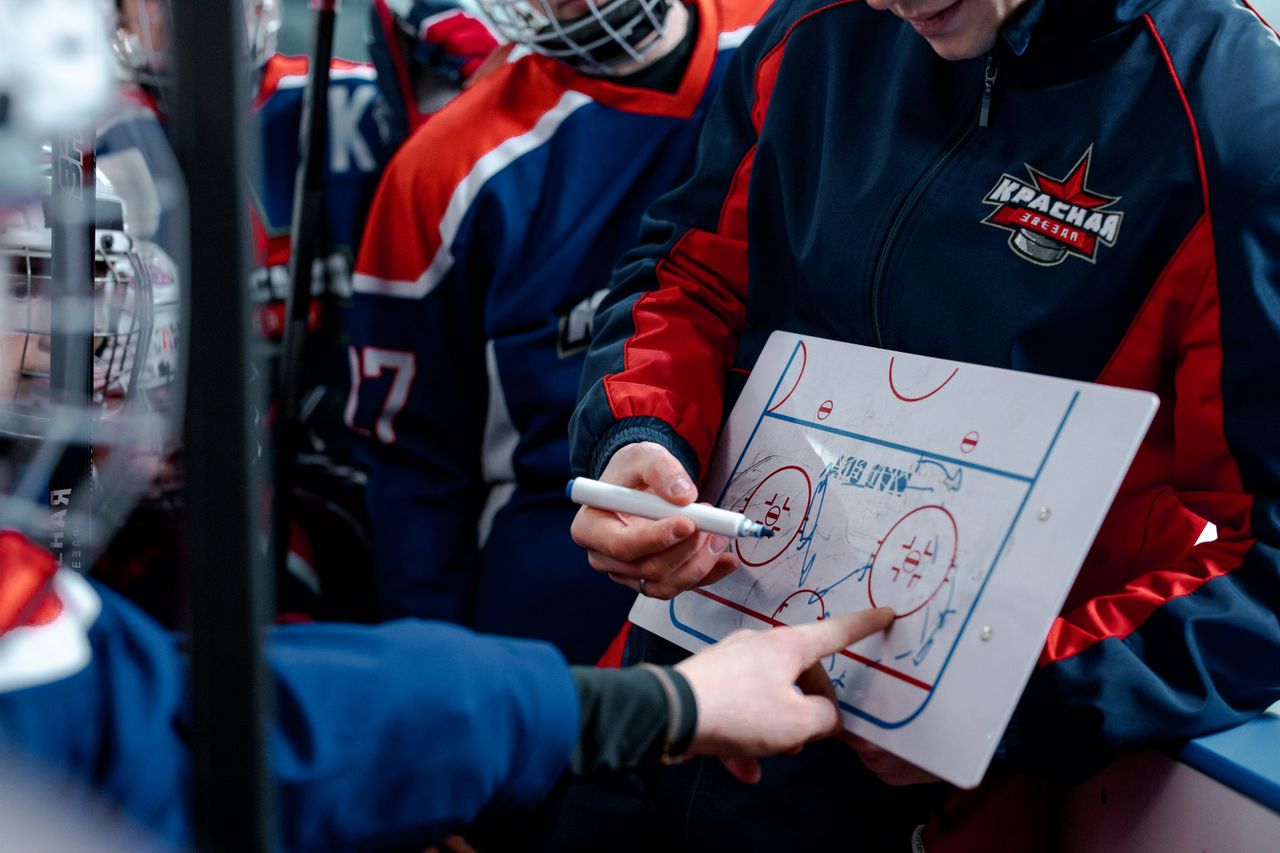
Coaches often use:
- Video analysis
- Practice simulations
- Scenario-based drills
Understanding the “why” behind actions helps players make better choices during competition.
Using Game-Based Training
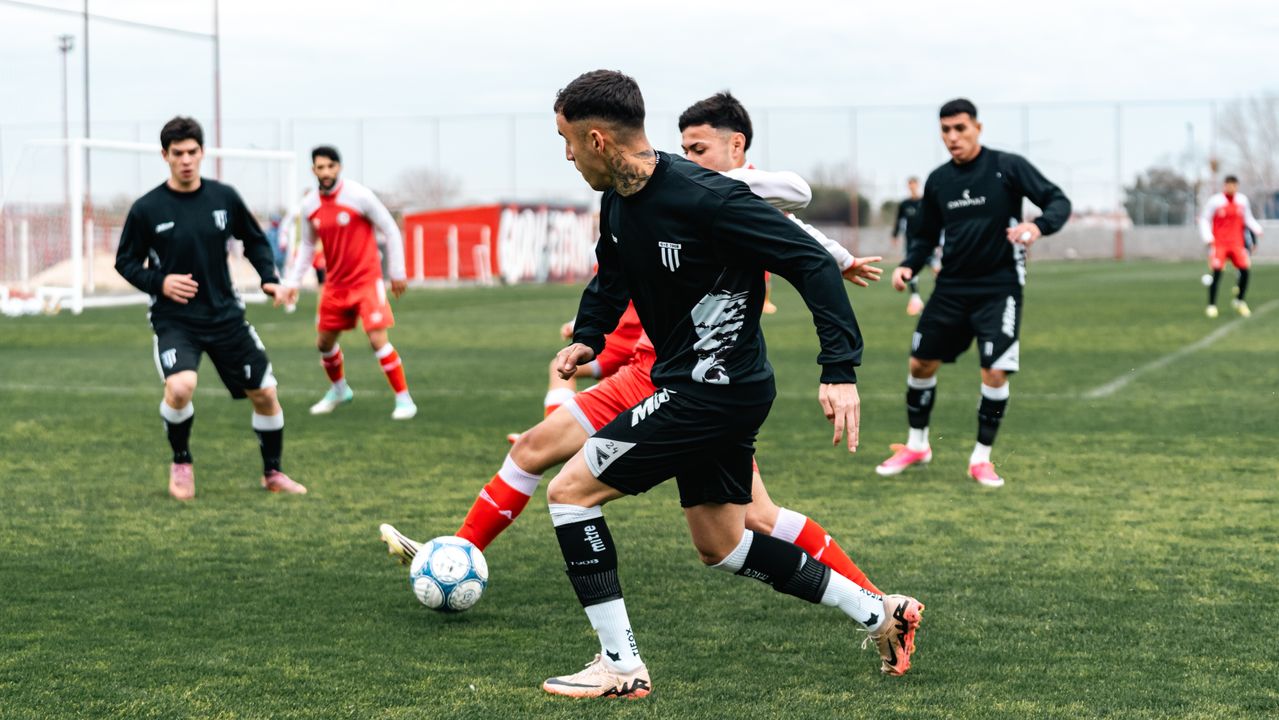
One of the most effective training methods is practicing situations that closely resemble real competition.
Game-based drills help athletes develop:
- Quick reactions
- Problem-solving skills
- Team coordination
- Decision-making under pressure
Instead of only repeating isolated skills, players learn how to apply those skills during realistic situations.
Building Mental Strength
Competitive sports require psychological preparation as much as physical ability.
Mental training can help athletes develop:
- Focus
- Confidence
- Emotional control
- Motivation
- Resilience
Useful techniques include:
- Visualization
- Goal setting
- Positive self-talk
- Breathing exercises
Athletes who remain calm under pressure often perform better during important moments.
Prioritizing Recovery and Injury Prevention
Training harder does not always mean improving faster. Recovery is essential for long-term performance.
Important recovery strategies include:
- Quality sleep
- Proper nutrition
- Stretching
- Rest days
- Mobility exercises
Injury prevention should be part of every training program through:
- Warm-up routines
- Strength balance exercises
- Proper technique
- Load management
Healthy athletes can train consistently and perform at their best.
Creating Individual Development Plans
Although team sports require cooperation, each athlete has unique strengths and weaknesses.
Individual training plans can focus on:
- Improving specific skills
- Increasing physical abilities
- Correcting technical issues
- Developing confidence
Personalized development helps players continue improving while contributing more effectively to the team.
Using Technology in Sports Training
Modern technology has changed how teams prepare for competition.
Coaches and athletes use tools such as:
- Performance tracking systems
- Video analysis software
- Fitness monitoring devices
- Virtual training platforms
Technology can provide valuable information about:
- Player performance
- Training intensity
- Movement patterns
- Areas for improvement
Data-driven training helps teams make smarter decisions.
Developing Team Culture
Successful teams often share strong values and a positive environment.
A healthy team culture encourages:
- Accountability
- Respect
- Trust
- Discipline
- Support
Coaches play an important role in creating an atmosphere where athletes feel motivated to improve and work together.
How to Create an Effective Training Routine
A successful team training plan should include:
- Clear goals
- Balanced workouts
- Skill development
- Tactical practice
- Recovery periods
- Regular evaluation
Consistency is one of the most important factors in athletic improvement.
The Future of Team Sports Training
The future of competitive sports training will continue to combine traditional coaching methods with advanced technology.
Emerging trends may include:
- AI-powered performance analysis
- Personalized training programs
- Virtual reality simulations
- Advanced injury prevention systems
- Real-time athlete monitoring
These innovations will help athletes train smarter and perform more efficiently.
Conclusion
Training strategies for competitive team sports require a complete approach that combines physical preparation, technical skills, teamwork, mental strength, and recovery. The strongest teams are not built only through talent—they are developed through discipline, communication, and consistent improvement.
The takeaway: successful teams train with purpose. By combining smart preparation with strong teamwork, athletes can reach higher levels of performance and create lasting success on the field.
Frequently Asked Questions
Technology helps analyze performance, track progress, and create more personalized training strategies.