Understanding Sustainable Fashion
Sustainable fashion focuses on reducing waste and promoting ethical practices:
- Eco-friendly materials: Organic cotton, bamboo, hemp, and recycled fabrics minimize environmental harm.
- Ethical production: Brands that prioritize fair wages, safe working conditions, and low-impact manufacturing support workers and communities.
- Durability over fast fashion: Investing in high-quality pieces reduces frequent replacements and textile waste.
- Circular fashion: Repairing, repurposing, and recycling garments extends their life cycle.
Understanding these principles helps consumers make informed and responsible choices.
Steps to Build an Eco-Friendly Wardrobe
Creating a sustainable wardrobe doesn’t happen overnight. Start with simple steps:
- Audit your closet: Identify items you wear regularly versus those that remain unused. Donate or recycle what you no longer need.
- Prioritize quality: Choose well-made, timeless pieces that last longer than trendy, low-quality items.
- Choose sustainable brands: Research brands committed to ethical and eco-friendly practices. Certifications like GOTS or Fair Trade can guide your choices.
- Buy second-hand: Thrift stores, consignment shops, and online resale platforms offer affordable, sustainable alternatives.
- Minimalism: Focus on versatile items that can be styled in multiple ways, reducing the need for excess clothing.
These steps create a wardrobe that is functional, stylish, and environmentally responsible.
Caring for Clothes Sustainably
Proper care extends the life of garments and reduces environmental impact:
- Wash less frequently: Over-washing wears out fabrics and wastes water and energy.
- Cold water and gentle cycles: Use eco-friendly detergents to minimize chemical runoff.
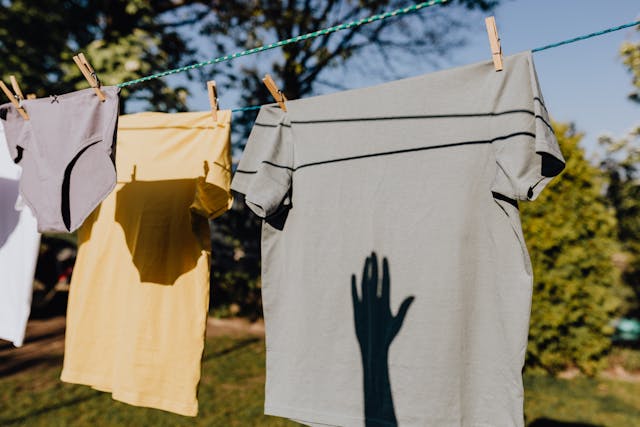
- Air dry when possible: Reduces energy consumption and prevents shrinkage.
- Repair and repurpose: Fix minor damages or creatively upcycle old clothes into new items.
Sustainable care practices help preserve both your wardrobe and the planet.
Making Conscious Fashion Choices
Being eco-friendly also means thoughtful decision-making:
- Avoid impulse buys: Consider whether each purchase aligns with your style, needs, and values.
- Seasonal shopping: Buy clothes suitable for multiple seasons to maximize usage.
- Educate yourself: Learn about textile impacts, labor practices, and sustainable innovations.
- Share and swap: Clothing swaps with friends or communities reduce demand for new items.
Conscious consumption ensures your wardrobe reflects both style and responsibility.
Final Thoughts
Building a sustainable wardrobe is a practical and impactful way to support the planet and ethical practices. By choosing quality, caring for garments, and embracing mindful consumption, you can enjoy fashion while minimizing your environmental footprint.
In 2025, sustainable fashion is not just an ethical choice — it’s a lifestyle that combines style, responsibility, and long-term thinking.