Sustainable Transportation Initiatives: Building a Cleaner Future of Mobility
Transportation plays a major role in modern life. It helps people travel, businesses move goods, and communities stay connected. However, traditional transportation systems also contribute significantly to pollution, greenhouse gas emissions, and energy consumption.
To address these challenges, governments, companies, and communities are investing in sustainable transportation initiatives. These efforts focus on creating cleaner, more efficient, and accessible ways to move people and products while protecting the environment.
But what are these initiatives, and how are they changing the future of transportation?
What Is Sustainable Transportation?
Sustainable transportation refers to transportation systems designed to reduce environmental impact while meeting the mobility needs of people and businesses.
Unlike traditional systems that rely heavily on fossil fuels, sustainable transportation focuses on:
- Reducing carbon emissions
- Improving energy efficiency
- Supporting renewable energy
- Creating accessible mobility options
- Reducing traffic congestion
Think of sustainable transportation as a shift from simply moving faster to moving smarter.
Why Sustainable Transportation Matters
Transportation is one of the largest sources of global emissions. Cars, trucks, ships, and airplanes powered by fossil fuels release greenhouse gases that contribute to climate change and air pollution.
Sustainable transportation initiatives aim to solve several challenges:
- Poor air quality in cities
- Rising fuel consumption
- Traffic congestion
- Dependence on limited resources
- Increasing transportation costs
Cleaner transportation systems can improve both environmental health and quality of life.
Electric Vehicles and Clean Energy Adoption
One of the most visible sustainable transportation initiatives is the growth of electric vehicles (EVs).
Electric vehicles use electricity instead of traditional fuels, helping reduce direct emissions from transportation.
Benefits of EV adoption include:
- Lower greenhouse gas emissions
- Reduced dependence on gasoline and diesel
- Lower operating costs
- Quieter urban environments
Governments and companies are supporting EV growth through charging infrastructure, incentives, and investments in battery technology.
|
Sustainable Initiative |
How It Works |
Main Benefit |
|
Electric Vehicles |
Use electric motors instead of combustion engines |
Reduces vehicle emissions |
|
Public Transportation |
Moves many passengers efficiently |
Lowers traffic and pollution |
|
Bike-Sharing Programs |
Provides shared bicycle access |
Encourages clean short-distance travel |
|
Smart Traffic Systems |
Uses data to improve traffic flow |
Reduces congestion |
|
Renewable Energy Transport |
Uses clean energy sources |
Supports long-term sustainability |
Improving Public Transportation
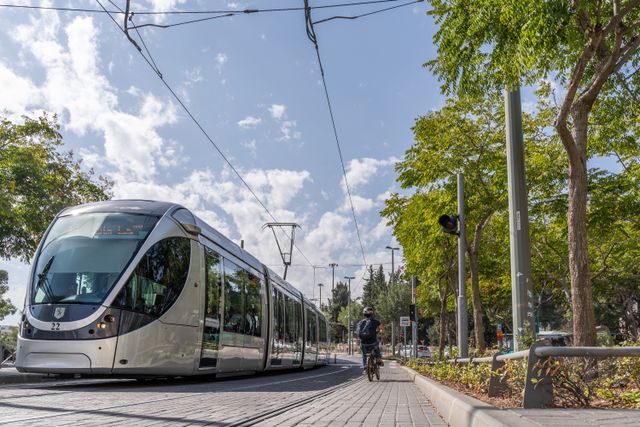
Public transportation is one of the most effective ways to create sustainable mobility. Buses, trains, and metro systems can transport large numbers of people while using fewer resources per passenger.
Modern public transportation initiatives include:
- Electric buses
- High-speed rail systems
- Improved transit networks
- Digital ticketing solutions
- Real-time travel information
When public transportation becomes convenient and reliable, more people are willing to choose it over private cars.
The Growth of Active Transportation
Not all sustainable transportation solutions require advanced technology. Walking and cycling remain some of the cleanest forms of mobility.
Cities around the world are investing in:
- Dedicated bike lanes
- Pedestrian-friendly streets
- Safer sidewalks
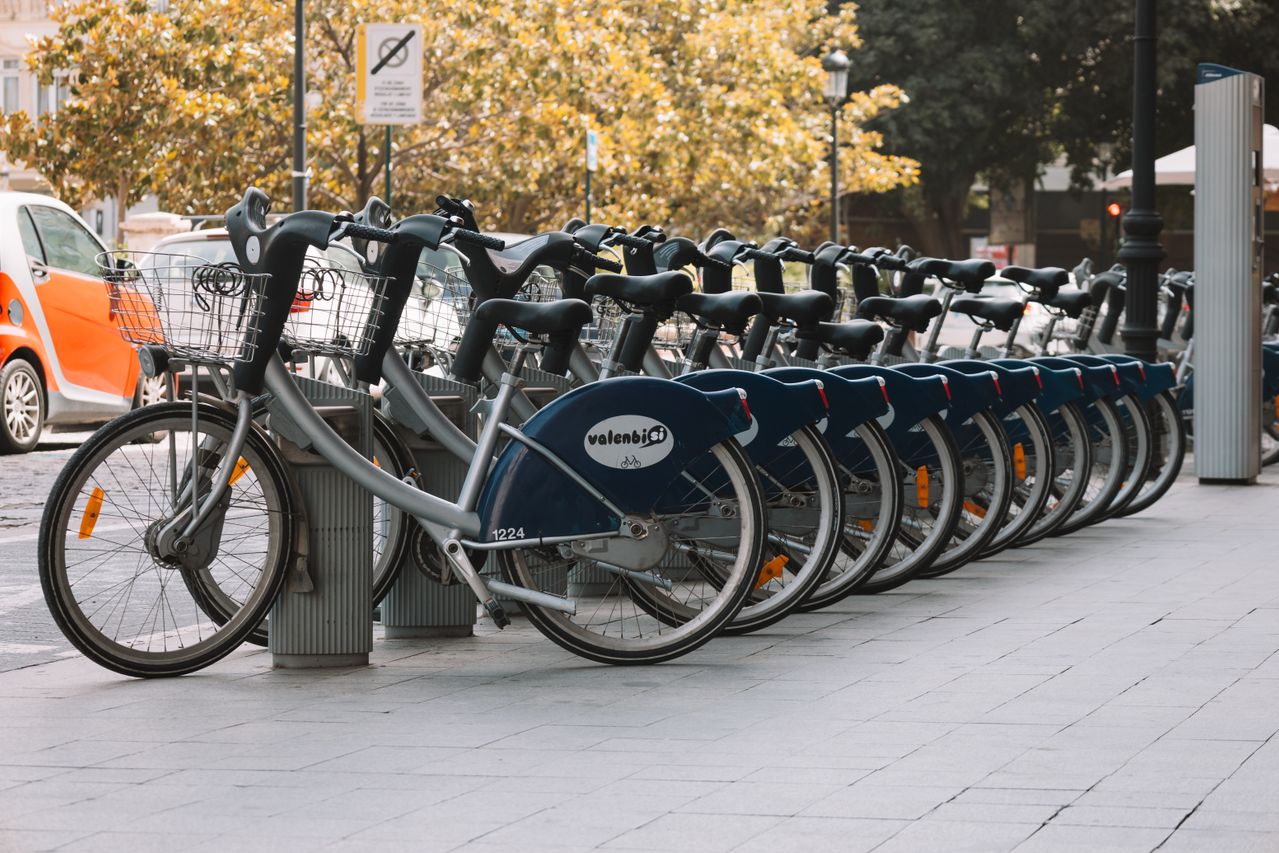
- Bike-sharing programs
- Green urban planning
Active transportation also supports public health by encouraging physical activity.
Smart Transportation Technologies
Technology is helping cities create more efficient transportation systems. Smart transportation uses data, sensors, and artificial intelligence to improve how people and vehicles move.
Examples include:
- Intelligent traffic lights
- Real-time route optimization
- Digital parking systems
- Connected vehicles
- Transportation apps
These solutions help reduce wasted time, fuel consumption, and unnecessary emissions.
Sustainable Freight and Logistics
Transportation sustainability is not only about personal travel. Moving goods efficiently is also an important challenge.
Companies are exploring greener logistics through:
- Electric delivery vehicles
- Optimized delivery routes
- Alternative fuels
- Better warehouse management
- Shared transportation networks
More efficient freight systems can reduce environmental impact while improving business operations.
Challenges of Sustainable Transportation
Although sustainable transportation offers many benefits, there are still obstacles to overcome.
Common challenges include:
- High costs of infrastructure development
- Limited charging networks
- Technology limitations
- Resistance to changing travel habits
- Differences between urban and rural transportation needs
Successful solutions require cooperation between governments, businesses, and communities.
The Future of Sustainable Mobility
The future of transportation will likely combine multiple sustainable solutions rather than relying on a single technology.
Future developments may include:
- Autonomous electric vehicles
- Expanded renewable energy systems
- Smarter city transportation networks
- More efficient public transit
- Sustainable aviation and shipping technologies
The goal is not just cleaner vehicles but a complete transportation ecosystem that works better for people and the planet.
Conclusion
Sustainable transportation initiatives are transforming the way people and goods move around the world. From electric vehicles and public transit improvements to smart technologies and active transportation, these solutions are helping create cleaner and more efficient mobility systems.
Building a sustainable transportation future requires innovation, investment, and cooperation. Every improvement—from choosing public transit to developing advanced clean technologies—brings society closer to a transportation system that supports both people and the environment.
Frequently Asked Questions
Yes. People can support sustainability by using public transit, walking, cycling, carpooling, choosing efficient vehicles, and supporting cleaner transportation policies.