Cooking Techniques That Transform Simple Ingredients
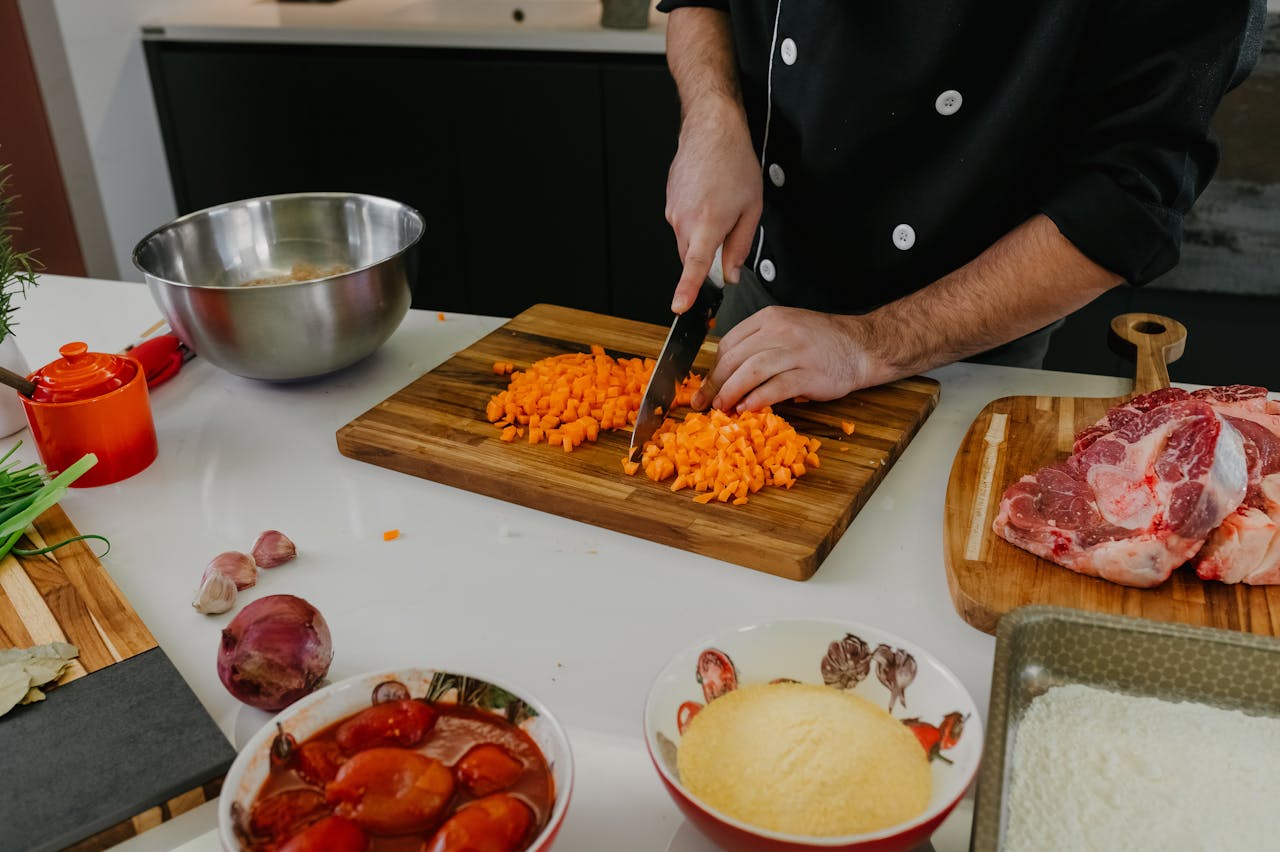
Great cooking isn’t always about expensive ingredients or fancy equipment. More often, it’s about technique. The way you cook something can completely change its taste, texture, and even aroma. A simple potato, chicken breast, or vegetable can feel like a restaurant-quality dish when prepared the right way.
Let’s explore cooking techniques that turn everyday ingredients into something truly special.
Why Cooking Techniques Matter More Than Ingredients
Many people think good food starts with premium ingredients. While quality matters, technique is what unlocks flavor.
The same ingredient can taste:
- Bland when boiled poorly
- Rich and flavorful when roasted properly
- Crispy and exciting when fried or sautéed well
Think of ingredients as raw potential—technique is what brings them to life.
Roasting: Bringing Out Natural Sweetness
Roasting uses dry heat, usually in an oven, to cook food slowly and evenly.
Best for:
- Vegetables (carrots, potatoes, broccoli)
- Chicken and meats
- Nuts
Why it works:
- Caramelizes natural sugars
- Creates crispy edges
- Enhances deep, rich flavor
Roasting turns simple vegetables into something almost addictive.
Sautéing: Fast and Flavorful Cooking
Sautéing means cooking food quickly in a small amount of oil over medium-high heat.
Best for:
- Vegetables
- Garlic and onions
- Thin cuts of meat
Why it works:
- Locks in freshness
- Preserves texture and nutrients
- Builds flavor quickly
It’s like giving ingredients a quick, flavorful wake-up call.
Boiling and Simmering: Simple but Powerful
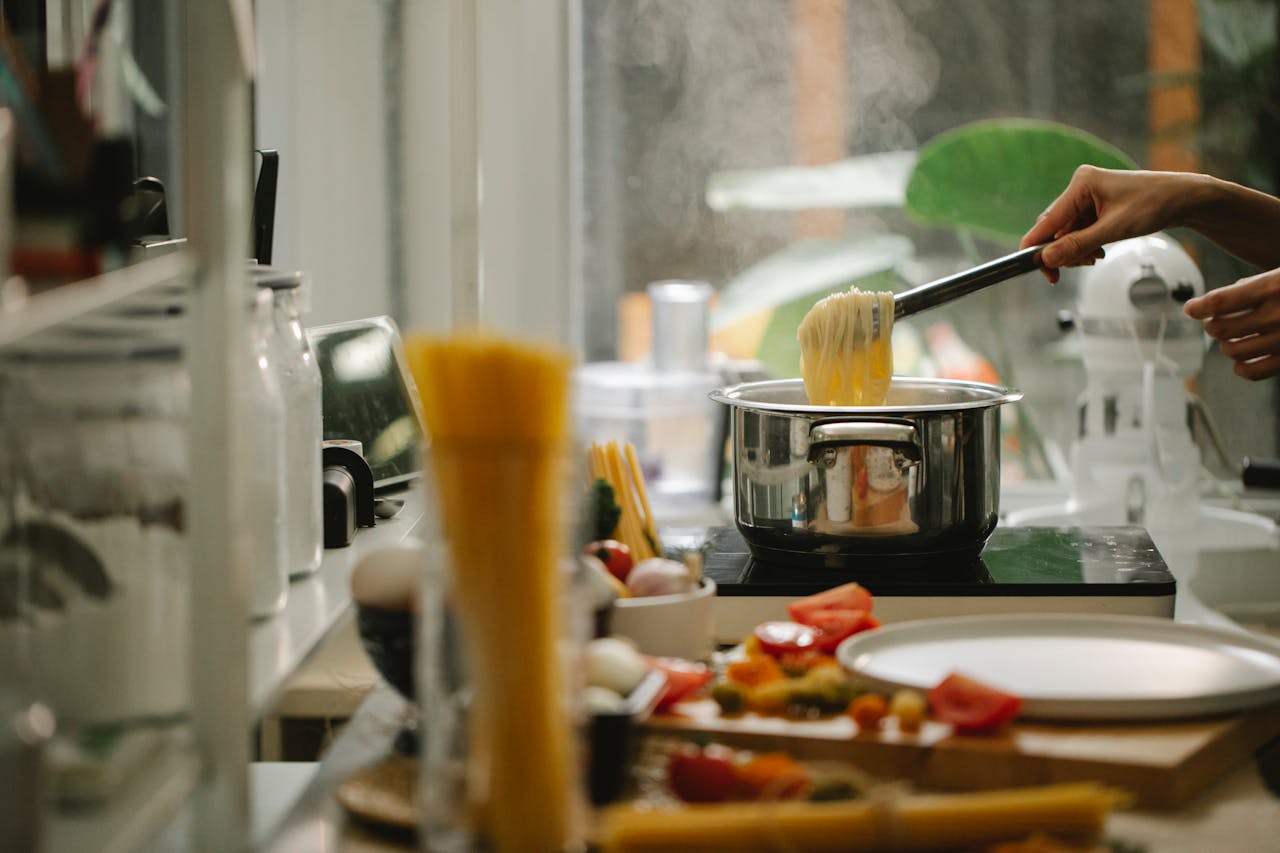
Boiling is basic, but when used correctly, it can be very effective.
Best for:
- Pasta
- Eggs
- Soups and broths
- Root vegetables
Key difference:
- Boiling = high heat, rapid bubbles
- Simmering = gentle heat, slow cooking
Slow simmering often creates deeper, richer flavors than fast boiling.
Table: Cooking Techniques and Their Effects
|
Technique |
Result |
Best Used For |
|
Roasting |
Deep, caramelized flavor |
Vegetables, meats |
|
Sautéing |
Quick, fresh taste |
Stir-fries, aromatics |
|
Boiling |
Soft texture |
Pasta, eggs |
|
Simmering |
Rich flavor extraction |
Soups, stews |
|
Grilling |
Smoky, charred taste |
Meat, vegetables |
Grilling: Smoky and Bold Flavors
Grilling uses direct heat, usually from a flame or hot grill surface.
Best for:
- Meat (chicken, beef, fish)
- Vegetables
- Fruits like pineapple or peaches
Why it stands out:
- Adds smoky flavor
- Creates charred texture
- Enhances natural juices
Grilling feels like summer on a plate.
Steaming: Healthy and Gentle Cooking
Steaming cooks food using hot vapor instead of direct water or oil.
Best for:
- Vegetables
- Fish
- Dumplings
Why it works:
- Preserves nutrients
- Maintains natural color and texture
- Requires no added fat
It’s one of the healthiest cooking methods available.
Caramelization: Unlocking Hidden Sweetness
Caramelization happens when sugars in food break down under heat.
Best for:
- Onions
- Fruits
- Certain vegetables
Result:
- Sweet, deep flavor
- Golden-brown color
- Rich aroma
Slow-cooked onions are a perfect example—they transform completely in taste.
Braising: The Art of Slow Cooking
Braising combines searing and slow cooking in liquid.
Best for:
- Tough cuts of meat
- Root vegetables
Why it works:
- Breaks down tough fibers
- Creates tender, flavorful dishes
- Builds rich sauces
It’s patience cooking at its best.
How Technique Transforms Simple Ingredients
A few examples:
- Potato → boiled (plain) vs roasted (crispy and rich)
- Chicken → steamed (light) vs grilled (smoky and juicy)
- Onion → raw (sharp) vs caramelized (sweet and deep)
Same ingredient. Completely different experience.
Conclusion
Cooking is not just about what you use—it’s about how you use it. With the right techniques, even the simplest ingredients can become flavorful, exciting, and memorable meals.
Roasting, sautéing, grilling, and simmering are more than methods—they are tools that unlock the hidden potential in food.
Once you understand technique, everyday cooking stops being routine and starts becoming creative.
FAQ: Cooking Techniques That Transform Simple Ingredients
Yes, proper cooking techniques can completely transform basic ingredients into restaurant-quality dishes.