How Video Games Are Evolving with AI
Video games have come a long way from simple pixelated screens to massive open worlds with lifelike characters. But the biggest shift happening right now isn’t just better graphics—it’s artificial intelligence. AI is quietly reshaping how games are built, played, and experienced.
So what exactly is changing, and why does it matter? Let’s break it down.
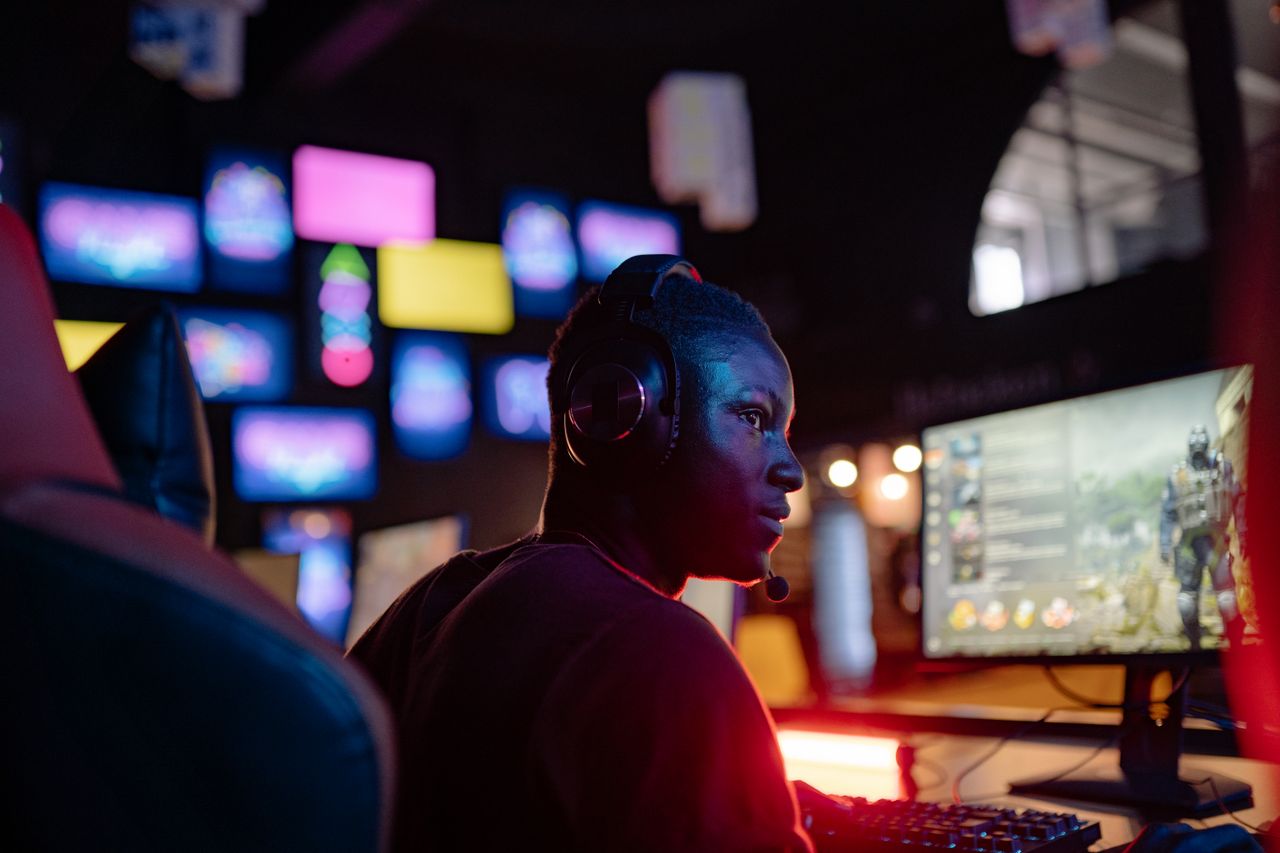
Smarter Non-Player Characters (NPCs)
One of the most noticeable improvements AI brings to gaming is smarter NPC behavior.
In older games, NPCs followed fixed scripts. They repeated the same lines and actions no matter what happened. Today, AI allows them to:
- React dynamically to player actions
- Adapt their strategies in combat
- Simulate realistic emotions and dialogue
- Learn patterns over time
Instead of predictable characters, players now face opponents and allies that feel more alive.
It’s like switching from a robot actor reading lines to a real performer improvising on the spot.
More Realistic Game Worlds
AI is also making game environments more responsive and immersive.
Modern games use AI to:
- Simulate weather and ecosystems
- Control crowds and traffic behavior
- Generate realistic physics reactions
- Adjust difficulty based on player performance
This creates worlds that feel less “programmed” and more “living.”
Every decision you make can slightly change how the game world behaves.
Procedural Content Generation
One of the most powerful uses of AI in gaming is procedural generation.
This means AI can automatically create:
- Maps
- Levels
- Quests
- Terrain and environments
Instead of developers designing every detail manually, AI helps build vast, unique worlds.
Games become almost endless, offering fresh experiences every time you play.
Think of it like having a game designer that never sleeps and keeps building new content while you play.
Personalized Gaming Experiences
AI is also making games more personal.
It can analyze how you play and adjust accordingly:
- Easier or harder difficulty levels
- Different enemy behaviors
- Customized story paths
- Adaptive tutorials
This means two players can experience the same game in completely different ways.
It’s like the game is quietly learning your habits and tailoring itself to you.
Table: Traditional Games vs AI-Enhanced Games
|
Feature |
Traditional Games |
AI-Enhanced Games |
|
NPC behavior |
Scripted and repetitive |
Dynamic and adaptive |
|
Game worlds |
Pre-designed maps |
Procedurally generated environments |
|
Difficulty |
Fixed levels |
Adaptive challenges |
|
Storylines |
Linear progression |
Personalized paths |
|
Replay value |
Limited |
Highly replayable |
AI in Game Development
AI isn’t just changing how games are played—it’s also changing how they are made.
Developers now use AI tools to:
- Speed up animation creation
- Generate realistic character models
- Test game mechanics automatically
- Detect bugs and balance gameplay
This reduces development time and allows studios to focus more on creativity.
Voice and Dialogue Improvements
AI is also improving in-game communication.
Some modern games feature:
- Real-time voice recognition
- AI-generated dialogue responses
- Natural language interactions with characters
Instead of choosing from fixed dialogue options, players can sometimes speak freely and get meaningful responses.
This makes storytelling more immersive and interactive.
Smarter Game Difficulty
One of the most frustrating things in older games was fixed difficulty. It was either too easy or too hard.
AI solves this by adjusting gameplay in real time:
- If you struggle, the game eases up
- If you perform well, it becomes more challenging
- Enemies adapt to your play style
This creates a smoother and more engaging experience for all skill levels.
The Rise of AI-Generated Art and Assets
Game visuals are also benefiting from AI.
AI tools can generate:
- Textures and environments
- Character designs
- Background music
- Animation sequences
This doesn’t replace artists—it gives them faster tools to bring ideas to life.
It’s like giving creative teams a powerful assistant that handles repetitive work.
Challenges of AI in Gaming
Despite its benefits, AI in games also brings challenges:
- Risk of less predictable gameplay balance
- Over-reliance on automation in design
- Ethical concerns around AI-generated content
- Potential loss of handcrafted artistic detail
Developers must balance automation with human creativity.

Conclusion
Artificial intelligence is transforming video games in ways that go far beyond graphics or performance. It is making game worlds smarter, more dynamic, and more personalized than ever before.
From intelligent NPCs to procedurally generated worlds and adaptive difficulty systems, AI is turning games into living experiences that evolve with the player.
The future of gaming isn’t just about better visuals—it’s about smarter worlds that learn, react, and grow with you.
FAQ: How Video Games Are Evolving with AI
Future games will likely feature more realistic characters, fully adaptive worlds, and natural language interactions.