The Role of Music and Dance in Cultural Festivals
Cultural festivals are more than colorful decorations and delicious food, they are living expressions of tradition, identity, and community. At the heart of these celebrations, music and dance play a pivotal role. They don’t just entertain; they tell stories, preserve heritage, and bring people together in ways words alone cannot.
Let’s explore why music and dance are central to cultural festivals and how they shape the experience for participants and audiences alike.
Music: The Heartbeat of Festivals
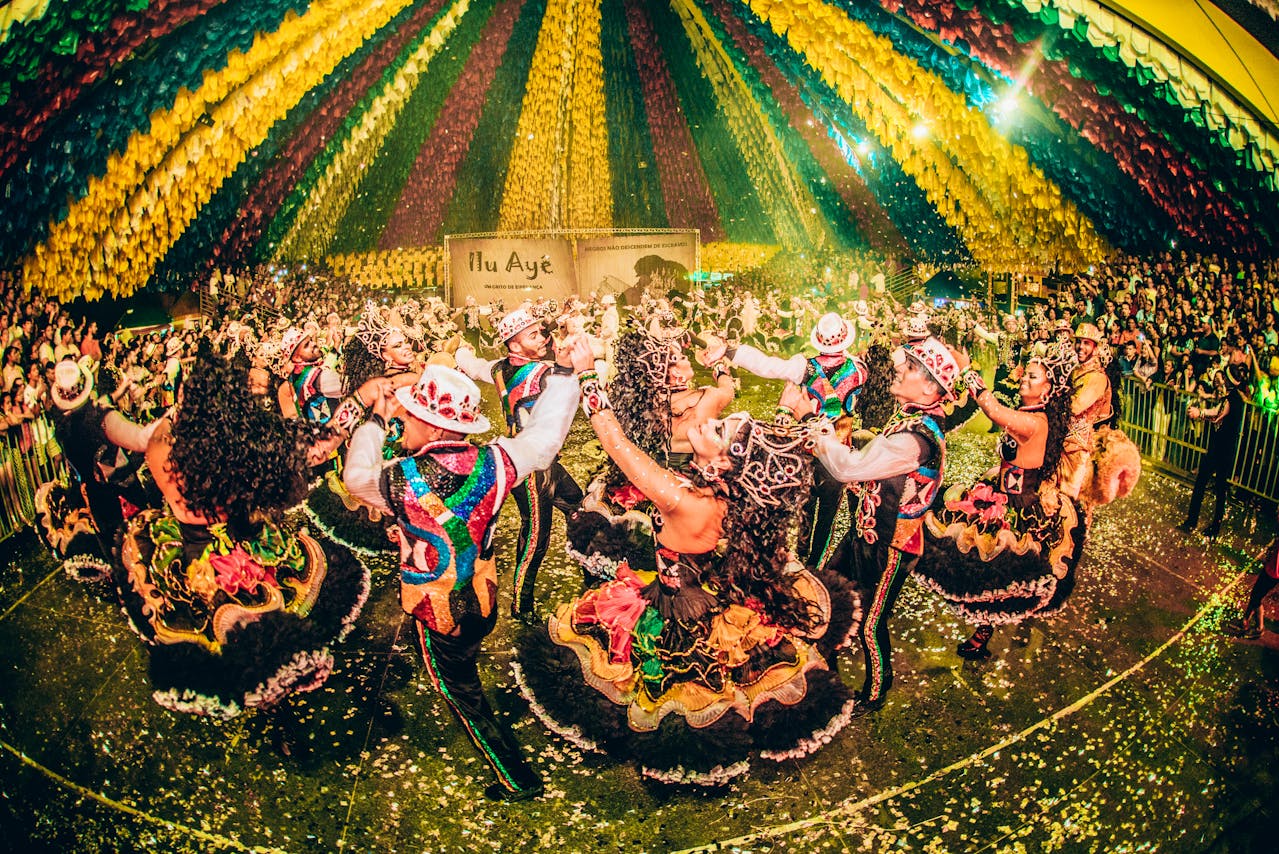
Music is often the first thing that signals a festival is happening. From rhythmic drumbeats to melodious folk tunes, music:
- Sets the tone and atmosphere: Fast beats energize crowds, while slower melodies create reflective moments.
- Preserves cultural heritage: Traditional instruments and songs connect generations to their roots.
- Encourages participation: Singing along or clapping to the rhythm fosters a sense of community.
For example, in the Rio Carnival, samba music isn’t just background, it defines the festival’s energy and drives elaborate parade performances.
Dance: A Story in Motion
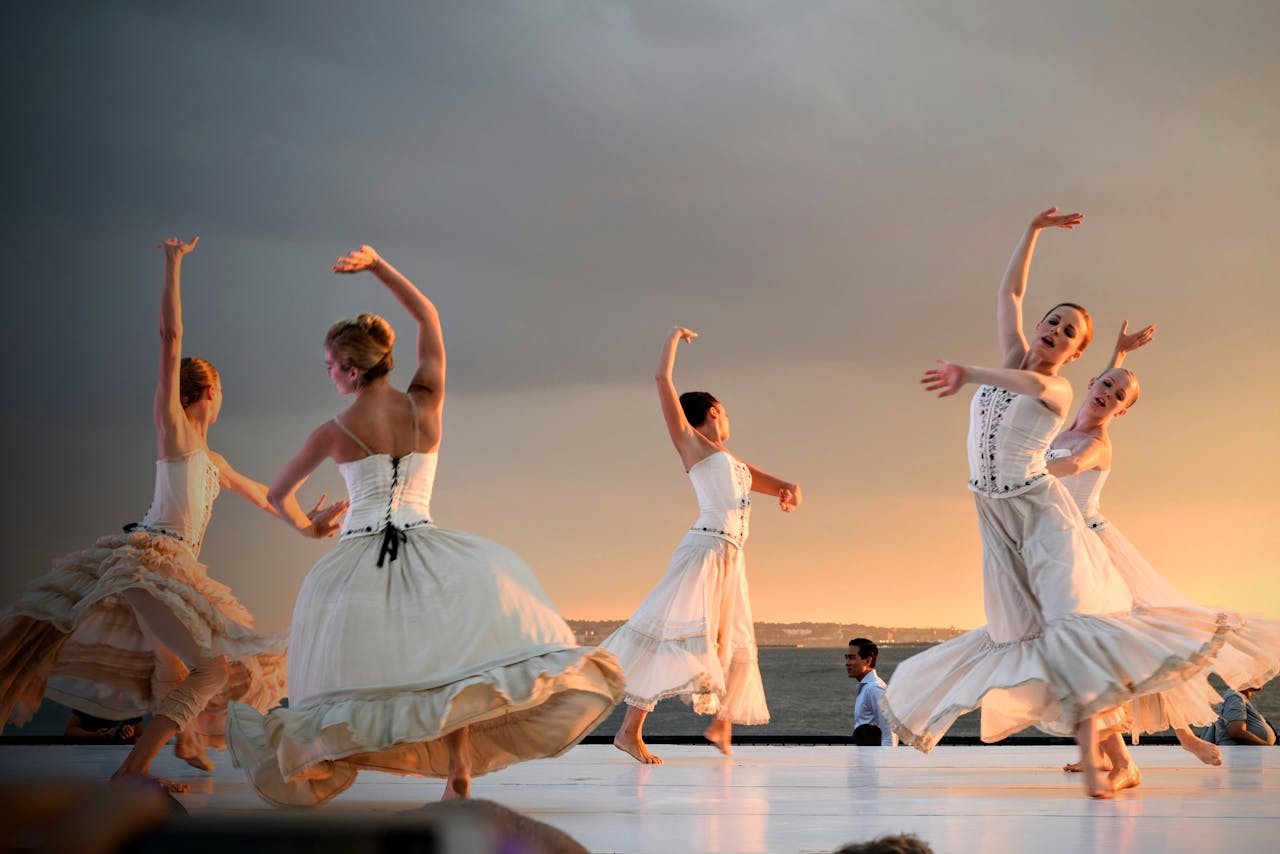
Dance transforms music into visual storytelling:
- Expresses myths, legends, or historical events through choreography
- Celebrates milestones, seasonal cycles, or religious rituals
- Invites spectators to engage, sometimes literally, through participatory dances
Whether it’s the intricate Bharatanatyam at Diwali festivals or the high-energy Capoeira performances in Brazilian festivals, dance conveys emotion and meaning that transcend language.
How Music and Dance Strengthen Cultural Identity
Cultural festivals often serve as a community mirror, reflecting shared values and identity:
- Intergenerational connection: Elders pass down songs and steps, ensuring traditions endure.
- Local pride: Regional instruments, rhythms, and styles distinguish communities.
- Global exposure: Festivals attract tourists, showcasing culture to the world while fostering appreciation and understanding.
Music and dance, therefore, are not just performance, they are living archives of culture.
Table: Functions of Music and Dance in Festivals
| Area |
Eco-Friendly Practice
|
Environmental Impact
|
|
Materials |
Water-based paints, FSC paper, reclaimed wood |
Reduces toxins and deforestation |
|
Waste |
Upcycling scraps and found objects |
Minimizes landfill contributions |
|
Studio |
LED lighting, proper ventilation, recycling |
Reduces energy use and pollution |
|
Digital Art |
Digital creation and on-demand prints |
Cuts paper, ink, and physical resource use |
|
Exhibitions |
Low-energy displays, modular setups |
Lowers carbon footprint of events |
The Social and Emotional Benefits
Music and dance in festivals offer more than cultural preservation, they benefit communities socially and emotionally:
- Community bonding: Shared rhythm and movement foster belonging
- Stress relief: Dancing and singing boost mood and mental well-being
- Creativity and expression: Participants can interpret traditions in unique, personal ways
Festivals, therefore, become both a cultural celebration and a communal therapy.
Conclusion
Music and dance are the lifeblood of cultural festivals. They transform celebrations into immersive, participatory experiences, linking past to present and individuals to their communities. By preserving traditions, inviting participation, and embracing innovation, music and dance ensure that cultural festivals remain vibrant, meaningful, and unifying events.
Next time you attend a festival, pay attention to the rhythm and movements, they are telling stories that words alone cannot capture.
Frequently Asked Questions about Music and Dance in Cultural Festivals
Absolutely. Festivals showcase and pass down traditional forms to younger generations, preventing cultural loss.