Fitness Trends That Are Gaining Popularity: How Exercise Is Changing in 2026
The way people approach fitness is constantly evolving. While traditional workouts like running, weight training, and gym sessions remain popular, new fitness trends are changing how people exercise, track progress, and prioritize their health.
Today’s fitness world is moving beyond simply looking good. Many people are focusing on building strength, improving mental well-being, creating sustainable habits, and finding enjoyable ways to stay active.
So, which fitness trends are gaining popularity, and why are more people embracing them?
The Shift Toward Holistic Fitness
Modern fitness is becoming more connected to overall well-being. Instead of focusing only on physical appearance, people are paying more attention to energy levels, mobility, recovery, and mental health.
Holistic fitness combines:
- Physical training
- Mental wellness
- Nutrition habits
- Recovery practices
- Lifestyle balance
This approach recognizes that health is not just about intense workouts—it is about creating habits that support a better quality of life.
Wearable Fitness Technology
Fitness technology continues to transform how people exercise. Smartwatches, fitness trackers, and connected devices help users understand their bodies and make more informed decisions.
Popular features include:
- Heart rate monitoring
- Sleep tracking
- Workout analysis
- Activity reminders
- Recovery insights
|
Fitness Trend |
Why It Is Popular |
Main Benefit |
|
Wearable Technology |
Provides real-time health data |
Helps track progress |
|
Functional Training |
Focuses on practical movements |
Improves everyday strength |
|
Group Fitness |
Creates social motivation |
Builds community |
|
Recovery Workouts |
Supports long-term performance |
Reduces risk of overtraining |
|
Home Fitness |
Offers convenience |
Makes exercise more accessible |
Technology has made fitness more personalized, allowing people to better understand their routines and progress.
Functional Training for Everyday Strength
Functional training focuses on movements that improve daily activities rather than only targeting specific muscles.
Popular exercises include:
- Squats
- Lunges
- Balance exercises
- Core movements
- Mobility training
The goal is to build strength, coordination, and flexibility that can support real-life activities.
Instead of training only for appearance, many people are training to move better and feel stronger.
Low-Impact and Recovery-Focused Workouts
Many fitness enthusiasts are shifting away from constant high-intensity training and paying more attention to recovery.
Popular recovery-focused activities include:
- Yoga
- Pilates
- Stretching routines
- Mobility exercises
- Walking programs
Recovery-based fitness helps people maintain consistency while reducing physical stress.
A sustainable workout routine is like a long-term investment—the goal is steady progress, not quick results.
The Growth of Home and Hybrid Fitness
Home workouts became widely popular in recent years, and many people continue choosing flexible fitness options.
Benefits of home and hybrid workouts include:
- No travel time
- Lower costs
- Flexible schedules
- Personalized routines
Online fitness platforms offer:
- Live classes
- Training programs
- Virtual coaching
- Workout communities
Many people now combine home workouts with occasional gym sessions for greater flexibility.
Group Fitness and Community-Based Exercise
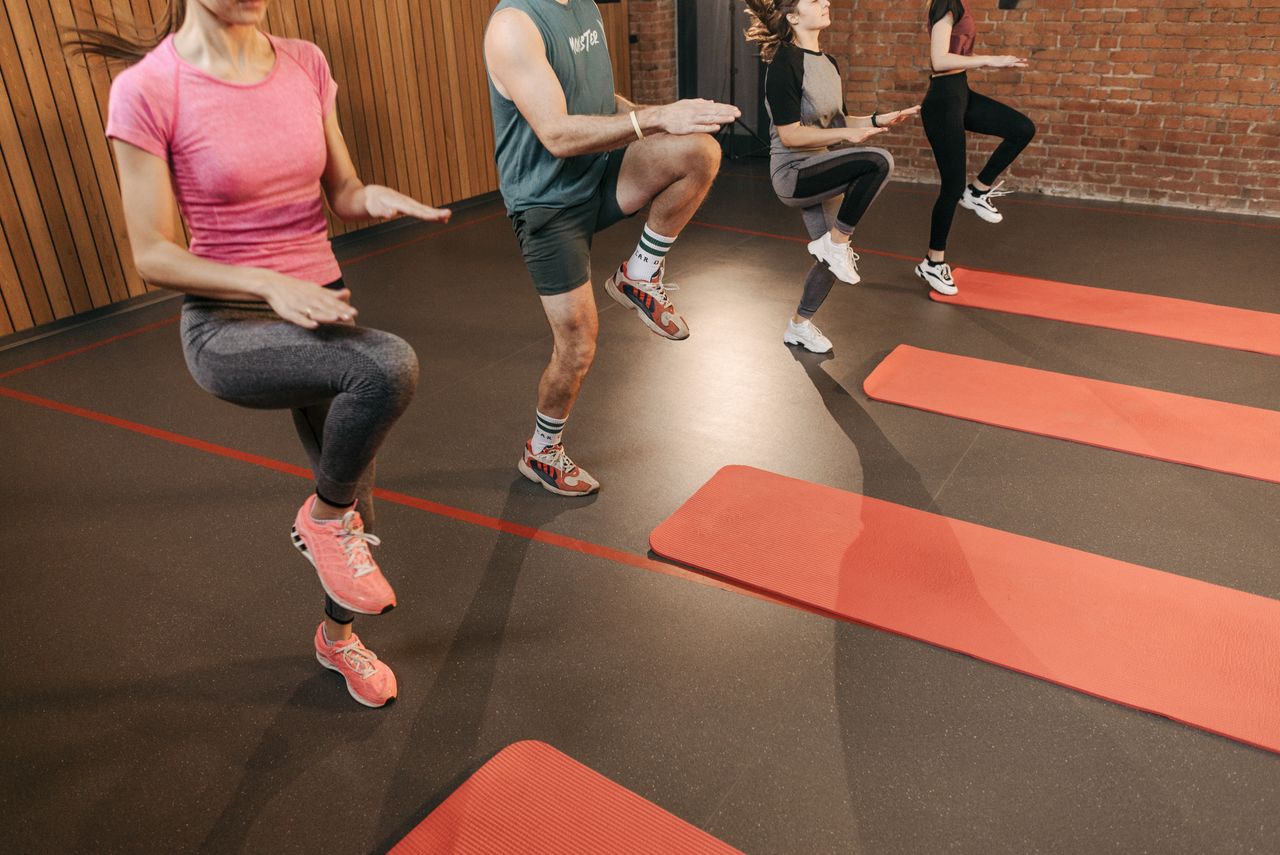
Fitness is becoming more social. Many people enjoy exercising in groups because it creates motivation and accountability.
Popular group activities include:
- Cycling classes
- Dance workouts
- Running clubs
- Boot camps
- Outdoor training groups
A supportive fitness community can make exercise feel less like a responsibility and more like an enjoyable experience.
Personalized Training Programs
One-size-fits-all workouts are becoming less popular. People increasingly want fitness plans designed around their goals, abilities, and lifestyles.
Personalized fitness may include:
- Customized workout plans
- Individual coaching
- Nutrition guidance
- Progress tracking
Artificial intelligence and digital platforms are also helping create more personalized recommendations.
Mind-Body Fitness Practices
The connection between physical activity and mental health is becoming a major focus in fitness.
Mind-body practices include:
- Yoga
- Tai chi
- Breathwork
- Meditation-based movement
These activities help people manage stress while improving flexibility, balance, and body awareness.
Outdoor Fitness Experiences
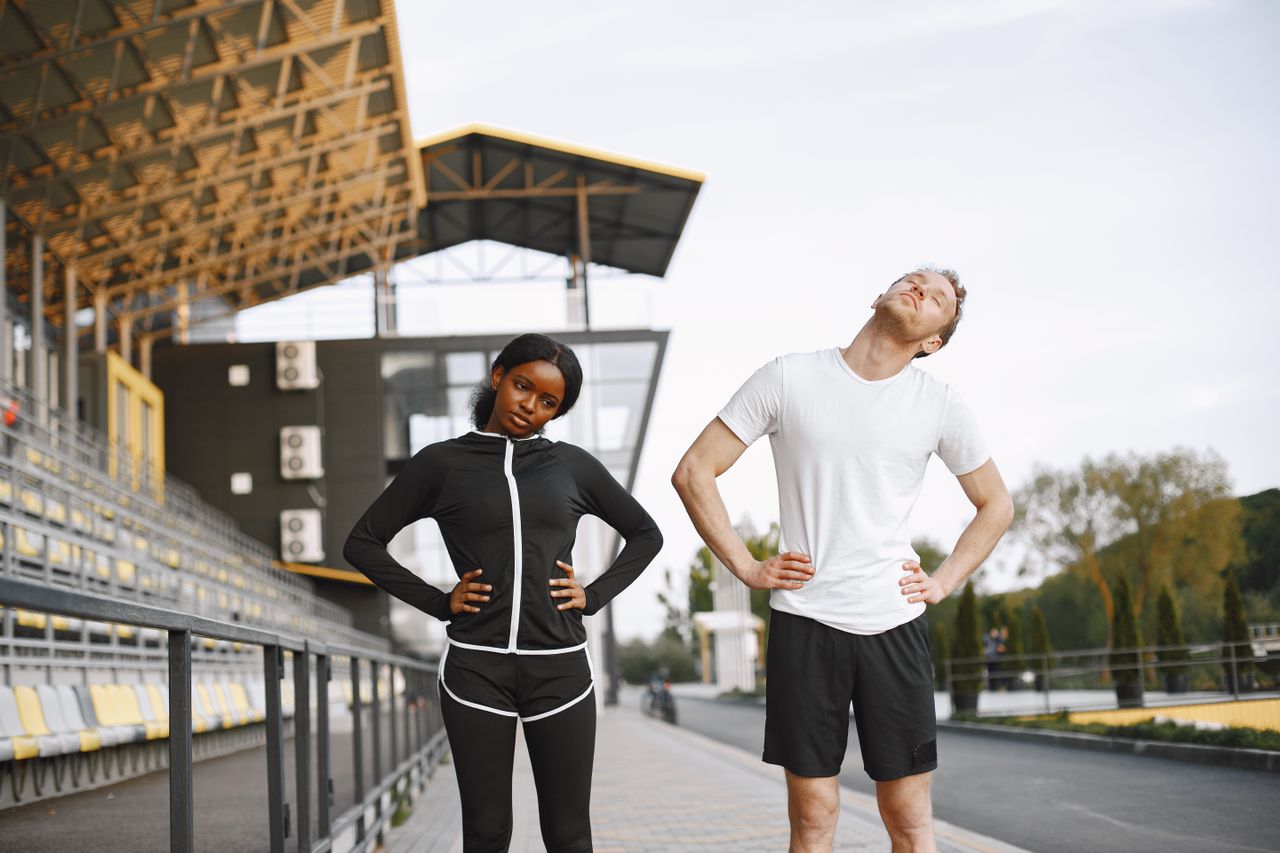
Many people are moving workouts outside to combine exercise with fresh air and nature.
Outdoor fitness trends include:
- Hiking
- Trail running
- Outdoor group classes
- Adventure activities
Being outdoors can make exercise feel more enjoyable and provide a mental break from daily routines.
Sustainable and Inclusive Fitness
The fitness industry is becoming more focused on accessibility and long-term health. More programs are designed for different ages, abilities, and experience levels.
Modern fitness emphasizes:
- Individual progress
- Inclusive environments
- Realistic goals
- Healthy relationships with exercise
The focus is shifting from perfection to consistency.
The Future of Fitness
Future fitness trends will likely continue combining technology, personalization, and wellness.
Emerging developments may include:
- AI-powered coaching
- Virtual reality workouts
- Advanced health tracking
- More personalized recovery tools
- Community-based fitness experiences
As people look for healthier and more balanced lifestyles, fitness will continue adapting to meet changing needs.
Conclusion
Fitness trends are changing the way people approach exercise and health. From wearable technology and personalized training to recovery-focused workouts and community fitness, the modern fitness world is becoming more flexible and inclusive.
The best fitness trend is not always the newest one—it is the approach that helps you stay consistent, enjoy movement, and support your long-term well-being.
Frequently Asked Questions
Technology is making fitness more personalized through tracking devices, digital coaching, virtual classes, and customized workout recommendations.