Lifelong Learning in the Digital Age
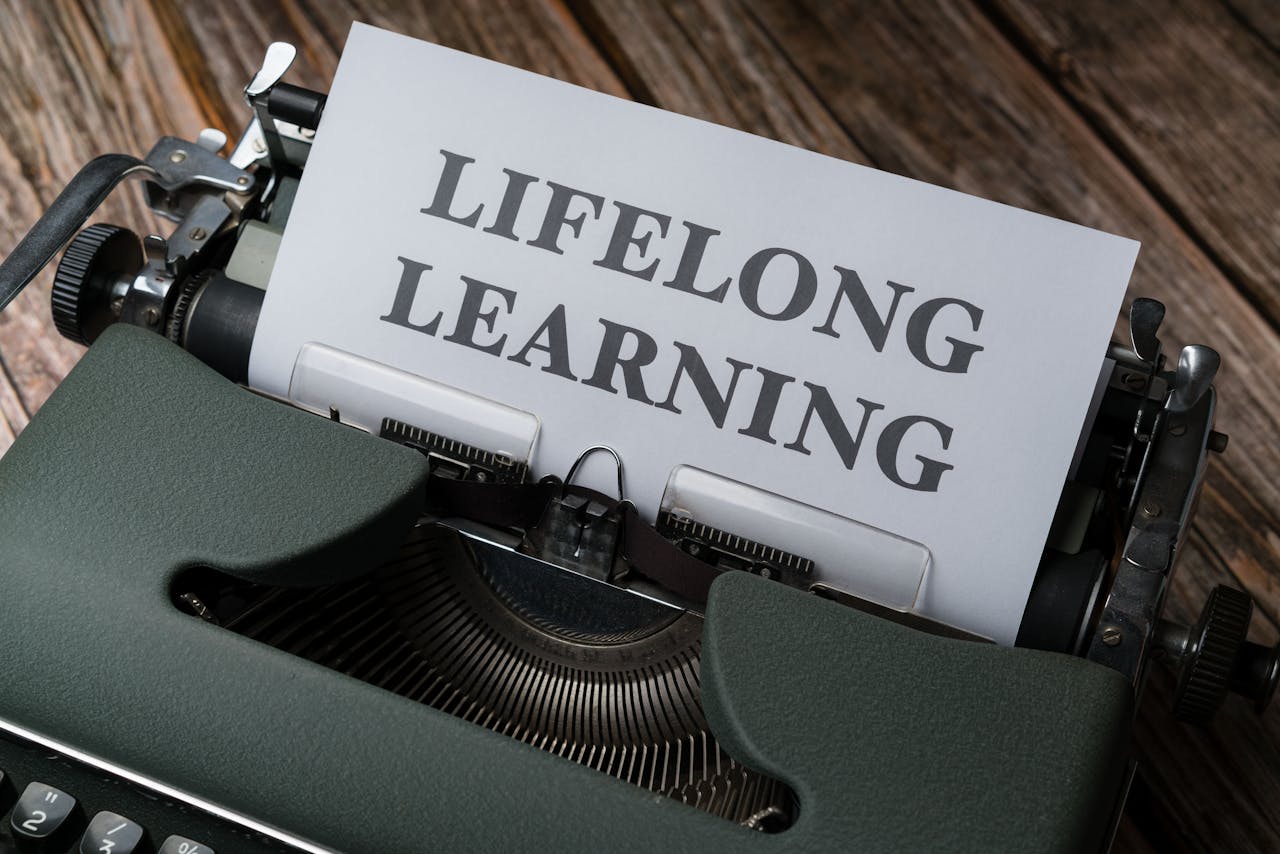
In today’s fast-changing world, learning no longer ends with formal education. The digital age has transformed how we acquire knowledge, making it possible to learn anytime, anywhere, and at any stage of life. Lifelong learning is now essential for staying relevant, adaptable, and fulfilled—both personally and professionally.
What Is Lifelong Learning?
Lifelong learning is the continuous pursuit of knowledge and skills throughout life. It includes:
- Formal education (courses, certifications)
- Informal learning (reading, online tutorials, podcasts)
- Experiential learning (work experience, hobbies, problem-solving)
In the digital era, access to learning has expanded dramatically, making education more inclusive and flexible.
The Role of Technology in Learning
Technology has revolutionized education:
- Online courses and platforms: Offer structured learning from global institutions
- Mobile apps: Enable microlearning on the go
- Video content and podcasts: Make complex topics easy to understand
- AI-powered tools: Personalize learning experiences
These tools allow individuals to learn at their own pace and according to their needs.
Table: Digital Learning Methods
| Method | Description | Benefit |
| Online Courses | Structured programs with lessons and assessments | Flexible, accessible education |
| Webinars & Live Sessions | Real-time virtual classes | Interactive learning |
| Mobile Learning Apps | Short lessons via smartphones | Convenient and time-efficient |
| Podcasts & Videos | Audio/visual educational content | Easy to consume anywhere |
| E-books & Articles | Digital reading materials | Affordable and portable |
Benefits of Lifelong Learning
Career Growth
- Keeps skills updated in a competitive job market
- Opens new career opportunities
- Encourages innovation and adaptability
Personal Development
- Builds confidence and self-awareness
- Enhances problem-solving and critical thinking
- Fosters creativity and curiosity
Social and Cognitive Health
- Keeps the mind active and engaged
- Encourages social interaction through communities
- Supports long-term mental well-being
Lifelong learning contributes to a well-rounded and fulfilling life.
Challenges in the Digital Age
While access to learning has improved, there are challenges:
- Information overload: Too many resources can be overwhelming
- Lack of focus: Distractions from digital devices
- Motivation issues: Self-paced learning requires discipline
- Quality control: Not all online content is reliable
Overcoming these challenges requires intentional and structured learning habits.
Strategies for Effective Lifelong Learning
To make the most of digital learning:
- Set clear goals: Define what you want to achieve
- Create a routine: Dedicate time for learning regularly
- Choose reliable sources: Focus on high-quality platforms
- Apply what you learn: Practice reinforces knowledge
- Stay curious: Explore new topics and perspectives
Consistency and purpose are key to sustained learning success.
The Future of Learning
The future of lifelong learning will be shaped by:
- Artificial intelligence and personalized education
- Virtual and augmented reality experiences
- Global collaboration and knowledge sharing
- Continuous skill development for evolving industries
Learning will become even more interactive, adaptive, and accessible.
Conclusion
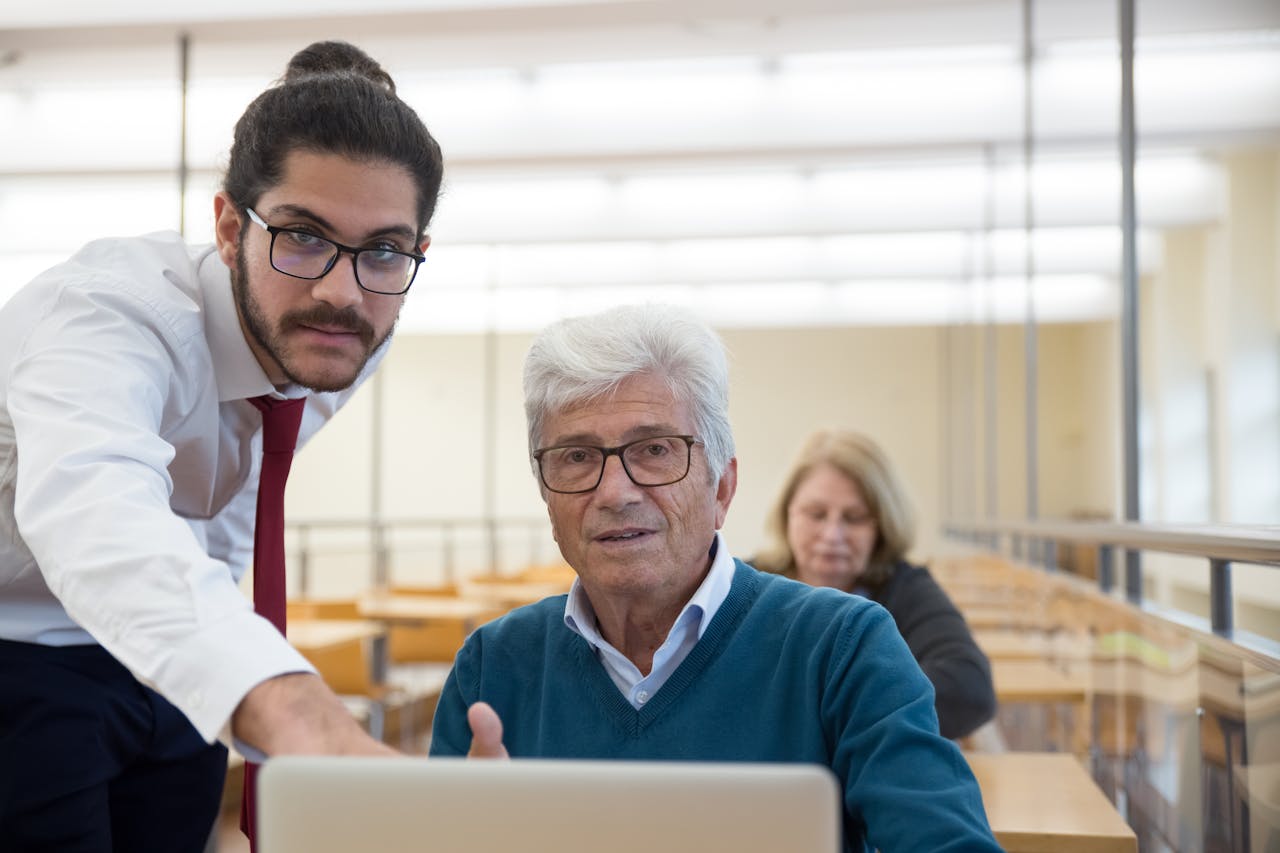
Lifelong learning is no longer optional—it’s a necessity in the digital age. With endless resources at our fingertips, anyone can continue growing, adapting, and thriving. The challenge is not access, but commitment and consistency.
The takeaway: embracing lifelong learning empowers you to stay relevant, achieve your goals, and lead a more enriched and adaptable life.
FAQ: Lifelong Learning
Yes—it keeps the brain active, reduces stress, and promotes a sense of purpose.