How AI Is Powering Smarter Gadgets in Everyday Life
Artificial Intelligence (AI) isn’t just for sci-fi movies anymore, it’s quietly transforming the gadgets we use every day. From your smartphone to your home thermostat, AI is making devices smarter, more intuitive, and more helpful. But how exactly is AI reshaping our daily routines, and what does it mean for the future of technology? Let’s break it down in simple, practical terms.
AI: The Brain Behind Smart Gadgets
At its core, AI allows devices to learn from data, recognize patterns, and make decisions without constant human input. Think of it as giving gadgets a “brain” so they can anticipate your needs rather than just follow commands.
Examples include:
- Voice assistants like Alexa or Siri understanding your questions
- Smart thermostats learning when to heat or cool your home
- Wearables tracking your health and giving personalized insights
AI turns ordinary gadgets into tools that adapt and respond to your lifestyle.
Everyday Gadgets Powered by AI
1. Smartphones
Modern smartphones use AI to:
- Improve photography with scene recognition and automatic adjustments
- Suggest replies and organize messages
- Optimize battery life based on usage patterns
Your phone isn’t just smart, it’s learning how to be smarter for you.
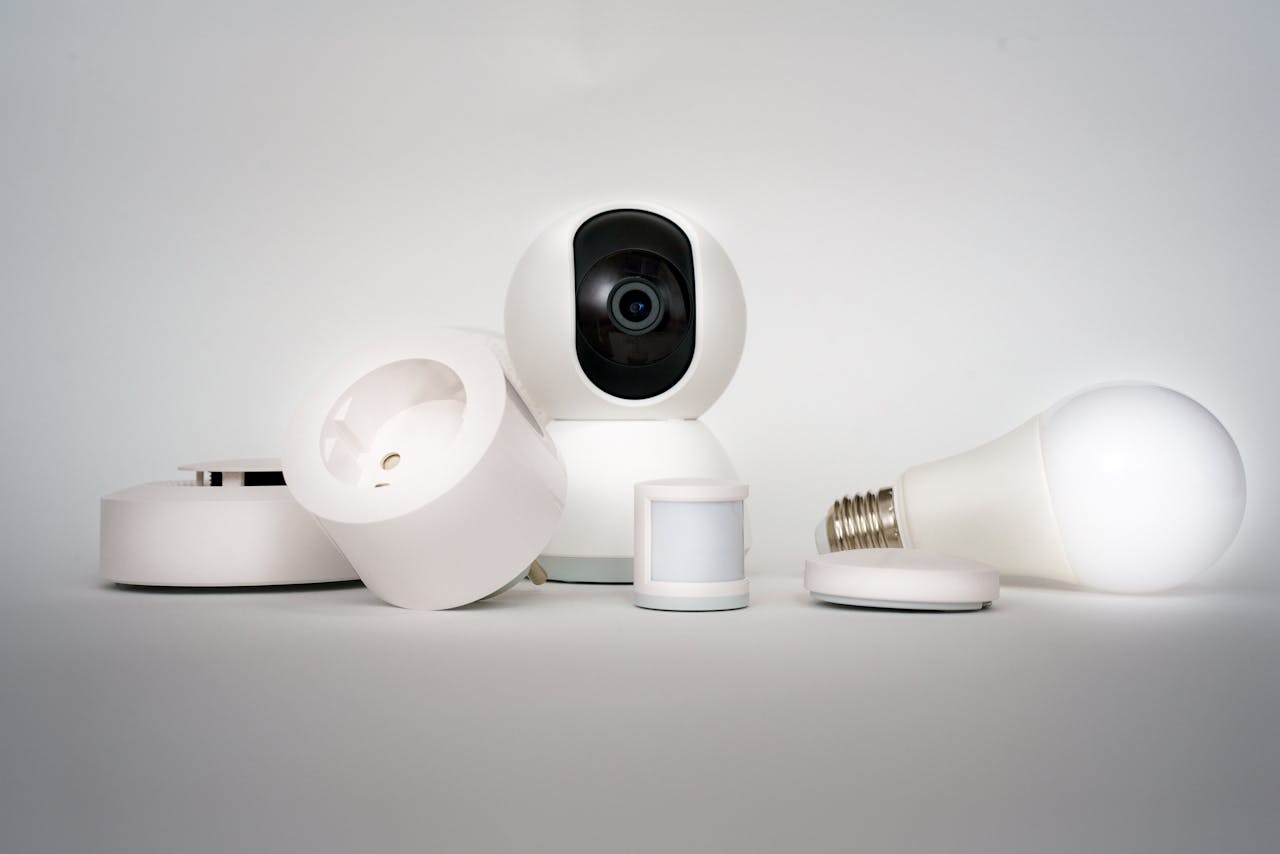
2. Smart Home Devices
From thermostats to lights and security cameras, AI helps:
- Adjust temperatures based on your schedule
- Turn lights on/off automatically
- Detect unusual activity and alert homeowners
AI makes homes more energy-efficient, secure, and convenient.
3. Wearables and Health Devices
Smartwatches and fitness trackers use AI to:
- Track heart rate, sleep, and activity
- Provide personalized health recommendations
- Predict potential health issues early
This is AI turning personal data into actionable insights.
4. Appliances and Kitchen Gadgets
AI-powered devices like smart ovens or coffee makers:
- Suggest recipes based on ingredients
- Adjust cooking settings automatically
- Monitor usage patterns to save energy
Even cooking becomes simpler, faster, and smarter.
Benefits of AI in Everyday Gadgets
|
Benefit
|
How It Helps
|
Example
|
| Personalization | Devices adapt to your habits | Smart thermostat adjusts to your schedule |
|
Efficiency
|
Saves time and energy | AI optimizes washing machine cycles |
|
Predictive Insights
|
Anticipates needs
|
Wearable suggests rest when fatigued
|
| Automation | Reduces manual effort | Voice assistants control lights, locks, and appliances |
AI doesn’t just make gadgets functional, it makes them intuitive and predictive.
Challenges and Considerations
While AI gadgets are convenient, they come with challenges:
- Privacy concerns: Devices collect sensitive personal data
- Security risks: AI systems can be hacked if not properly secured
- Cost: Smart gadgets are often more expensive than traditional versions
Being aware of these factors is essential to using AI responsibly.
The Future of AI Gadgets
The next wave of AI gadgets promises:
- Even smarter health monitoring
- More intuitive home automation
- AI assistants capable of managing multiple aspects of life
- Integration with IoT ecosystems for seamless, interconnected experiences
Imagine a world where your gadgets predict your needs, learn your preferences, and even help manage your schedule automatically.

Conclusion
AI is no longer futuristic, it’s already part of our everyday lives. From homes to health to personal devices, AI-powered gadgets make life easier, more efficient, and more personalized. As technology continues to advance, these gadgets will only get smarter, helping us live more productive and connected lives.
The future isn’t just about devices, it’s about devices that think, adapt, and grow with us.
Frequently Asked Questions about AI in Smarter Gadgets in Everyday Life
AI enables devices to learn, adapt, and make decisions that save time, energy, and effort.
Security varies by device. It’s important to update software and use strong passwords to protect personal data.
Some features work offline, but many AI functions, like cloud-based learning and updates, require internet access.
They can be pricier than traditional devices, but their efficiency and convenience often justify the cost.
Not entirely. AI assists and enhances decisions but works best when combined with human judgment.