Sustainable Living Tips for Everyday Life: Simple Choices That Make a Big Difference
Sustainable living isn’t about perfection or drastic lifestyle changes. It’s about making small, smarter choices every day that reduce waste, conserve resources, and protect the environment.
The best part? You don’t need to overhaul your life. Even simple habits can create a meaningful impact over time.
Let’s explore practical sustainable living tips you can start using right away.

What Does Sustainable Living Mean?
Sustainable living means using resources in a way that meets your needs without harming the ability of future generations to meet theirs.
In simple terms, it’s about:
- Using less waste
- Conserving energy and water
- Making eco-friendly choices
- Reducing environmental impact
Think of it as living in a way that keeps the planet “balanced,” like not spending more money than you earn.
Reduce, Reuse, Recycle (The Classic Rule)
One of the simplest sustainability principles is still one of the most powerful.
- Reduce what you don’t need
- Reuse items instead of throwing them away
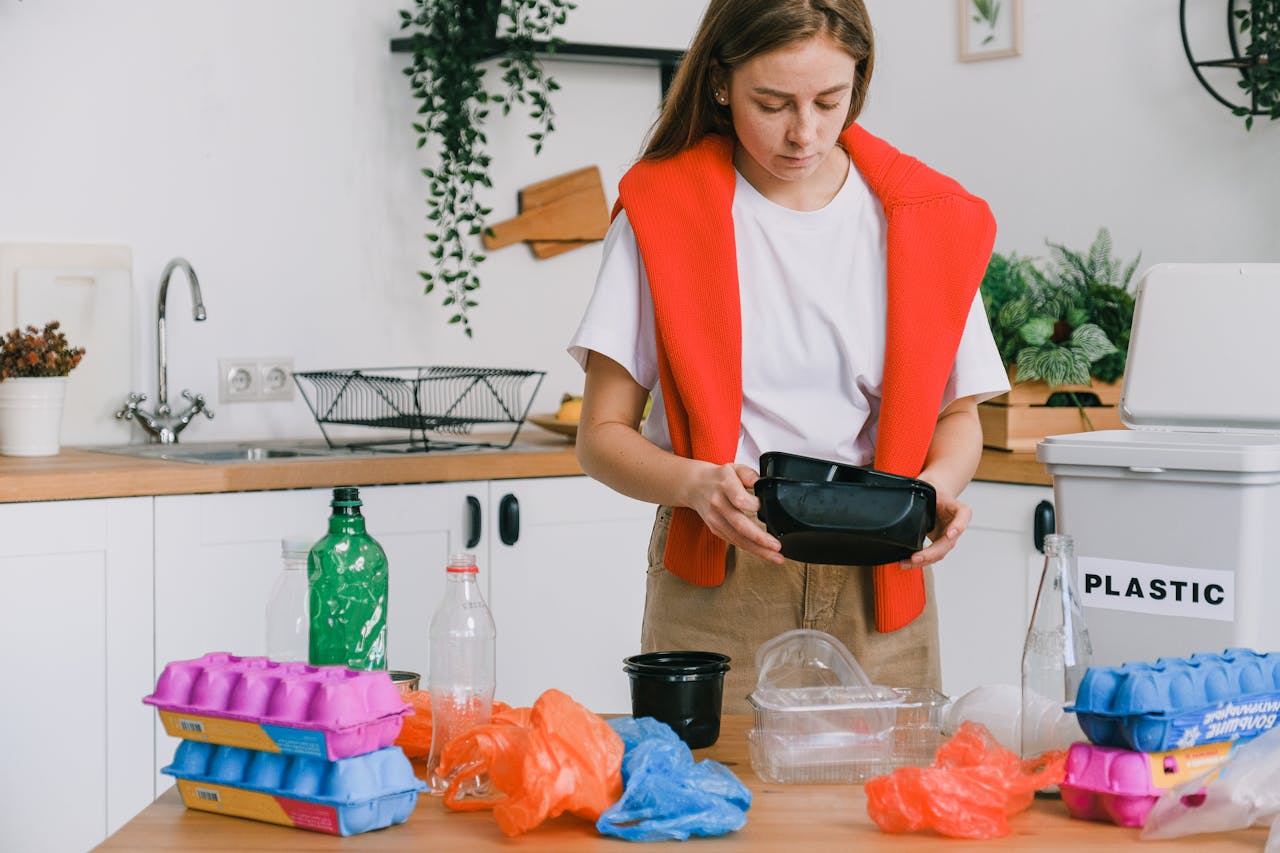
- Recycle materials properly
This helps cut down waste that ends up in landfills and oceans.
Even small actions—like reusing bags or bottles—add up over time.
Save Energy at Home
Energy conservation is a big part of sustainable living.
You can:
- Turn off lights when not needed
- Use energy-efficient appliances
- Unplug devices when not in use
- Use natural light during the day
It’s like giving your home a “lighter footprint” on the planet.
Table: Sustainable vs Unsustainable Habits
|
Area |
Sustainable Habit |
Unsustainable Habit |
|
Energy use |
Turning off unused devices |
Leaving appliances on standby |
|
Water use |
Short showers |
Long unnecessary water use |
|
Shopping |
Buying only what’s needed |
Impulse buying |
|
Waste |
Recycling and reusing |
Throwing everything away |
|
Transport |
Walking or cycling |
Frequent car use |
Choose Eco-Friendly Transportation
Transportation is a major source of pollution.
Whenever possible, try:
- Walking or cycling for short distances
- Using public transport
- Carpooling with others
- Choosing fuel-efficient vehicles
These choices reduce emissions and improve air quality.
Be Mindful of Water Usage
Water is a precious resource, and saving it is easier than most people think.
Simple ways include:
- Turning off taps while brushing teeth
- Fixing leaks quickly
- Using water-saving fixtures
- Collecting rainwater for plants
Small habits can save thousands of liters over time.
Eat More Sustainably
Your food choices also affect the environment.
You can:
- Eat more plant-based meals
- Reduce food waste
- Buy local and seasonal produce
- Avoid over-packaged foods
Sustainable eating supports both your health and the planet.
Reduce Plastic Usage
Plastic pollution is one of the biggest environmental challenges today.
To reduce it:
- Use reusable water bottles
- Carry cloth shopping bags
- Avoid single-use plastics
- Choose products with minimal packaging
Every plastic item you avoid helps reduce long-term waste.
Buy Less, Choose Better
Sustainable living is not about buying eco-friendly products all the time—it’s about consuming less overall.
Before buying, ask:
- Do I really need this?
- Will it last long?
- Can I borrow or reuse something instead?
Quality over quantity is a key mindset shift.
Support Sustainable Brands
Your spending choices matter.
Look for brands that:
- Use eco-friendly materials
- Follow ethical production practices
- Reduce waste in packaging
- Support fair labor conditions
When consumers choose responsibly, businesses are encouraged to improve.
Table: Everyday Sustainable Actions
|
Daily Activity |
Sustainable Choice |
|
Shopping |
Buy durable, reusable items |
|
Cleaning |
Use eco-friendly products |
|
Cooking |
Reduce food waste |
|
Travel |
Use public transport |
|
Energy use |
Switch to LED bulbs |
Grow Awareness and Inspire Others
Sustainability becomes stronger when shared.
You can:
- Talk to friends and family about eco habits
- Share tips on social media
- Encourage group environmental activities
- Support community clean-ups
Change spreads faster when people work together.
Conclusion
Sustainable living doesn’t require drastic changes—it starts with small, thoughtful actions. From saving energy and reducing plastic use to making smarter food and shopping choices, every habit matters.
When millions of people make small changes, the collective impact is enormous.
The goal isn’t to be perfect—it’s to be more mindful, one choice at a time.
FAQ: Sustainable Living Tips for Everyday Life
It helps protect natural resources and ensures a healthier planet for future generations.