How Individual Sports Build Discipline and Focus
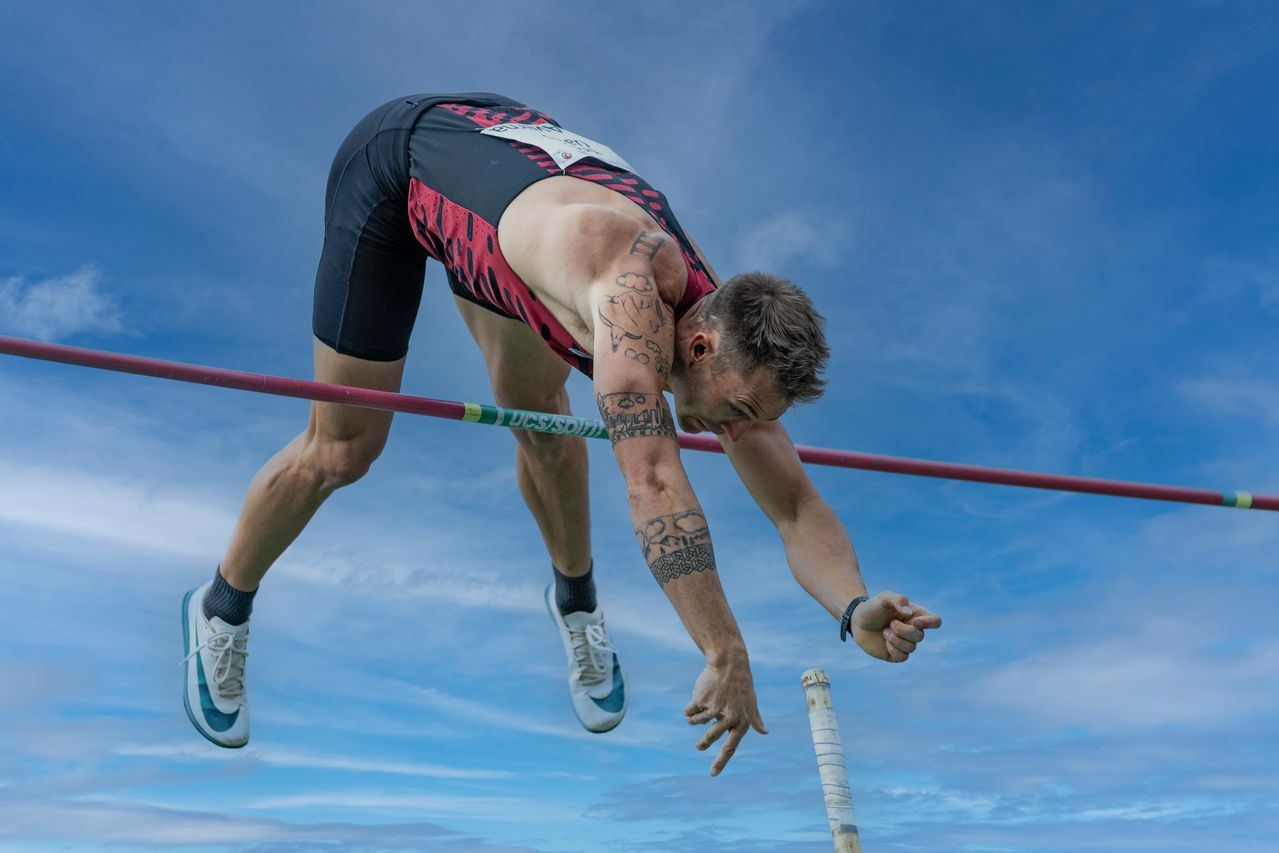
Individual sports require athletes to rely heavily on their own preparation, decisions, and commitment. Unlike team sports, where responsibilities are shared among multiple players, individual athletes must manage their own training, performance, and improvement.
Sports such as tennis, swimming, running, gymnastics, martial arts, and cycling teach valuable life skills beyond physical ability. They help develop discipline, focus, confidence, and mental strength by encouraging athletes to take responsibility for their progress.
The Connection Between Individual Sports and Personal Growth
Individual sports create an environment where athletes directly see the results of their effort. Success often depends on consistent practice, self-motivation, and the ability to overcome personal challenges.
These sports help develop:
- Self-discipline
- Concentration
- Goal-setting skills
- Emotional control
- Independence
- Resilience
The lessons learned through individual competition can benefit many areas of life, including education, career, and personal relationships.
Table: Skills Developed Through Individual Sports
|
Skill |
How Sports Build It |
Long-Term Benefit |
|
Discipline |
Requires regular training and preparation |
Builds strong habits |
|
Focus |
Demands attention during performance |
Improves concentration |
|
Responsibility |
Athletes control their own progress |
Encourages independence |
|
Resilience |
Teaches how to handle setbacks |
Strengthens mental toughness |
|
Goal Setting |
Requires measurable objectives |
Improves achievement skills |
Developing Self-Discipline Through Training
Discipline is one of the most important qualities developed through individual sports.
Athletes must create routines and follow them consistently, even when motivation is low.
Training often requires:
- Showing up regularly
- Practicing difficult skills
- Following fitness plans
- Maintaining healthy habits
- Staying committed to long-term goals
Unlike situations where teammates can provide motivation, individual athletes learn to push themselves and take ownership of their improvement.
Improving Focus and Concentration
Individual sports often require intense mental attention.
A small mistake can influence the outcome of a competition, so athletes learn to stay present and focused.
Examples include:
- A tennis player concentrating on each point
- A swimmer maintaining technique throughout a race
- A gymnast performing precise movements
- A runner managing pace and endurance
This ability to focus under pressure can transfer to everyday situations, helping people concentrate better at work or school.
Learning Personal Responsibility
In individual sports, athletes experience a direct connection between effort and results.
Performance depends largely on:
- Preparation
- Training consistency
- Mental approach
- Decision-making
This teaches athletes to take responsibility for their progress instead of relying on others to create success.
They learn valuable lessons such as:
- Improvement requires effort
- Mistakes provide learning opportunities
- Results reflect preparation
Building Mental Strength
Physical ability alone is not enough to succeed in individual sports. Athletes must also develop strong mental skills.
Mental training helps with:
- Managing pressure
- Staying confident
- Recovering from mistakes
- Maintaining motivation
For example, a tennis player may lose an important point but must quickly regain focus for the next one. Learning to reset mentally is a skill that applies far beyond sports.
Teaching Goal Setting
Individual athletes often work toward specific goals, such as:
- Improving personal records
- Learning new techniques
- Increasing strength or speed
- Achieving competition results
The process of setting goals teaches athletes how to:
- Define what they want to achieve
- Create a realistic plan
- Track progress
- Adjust strategies when needed
These skills are valuable in personal and professional development.
Developing Patience and Long-Term Commitment
Success in individual sports rarely happens overnight.
Athletes must understand that improvement comes through:
- Repeated practice
- Small improvements
- Consistent effort
- Learning from failures
A runner may spend months improving endurance, while a martial artist may practice the same movement hundreds of times before mastering it.
This teaches patience and the importance of long-term commitment.
Strengthening Emotional Control
Competition can create intense emotions, including:
- Excitement
- Frustration
- Nervousness
- Disappointment
Individual sports teach athletes how to manage these feelings and remain focused.
Emotional control helps athletes:
- Make better decisions
- Avoid panic under pressure
- Stay confident after mistakes
These skills can improve communication and problem-solving in everyday life.
Building Confidence Through Achievement
Every improvement in an individual sport can strengthen self-confidence.
Achievements may include:
- Completing a difficult workout
- Learning a new skill
- Improving performance
- Reaching a personal goal
Confidence grows because athletes understand that progress comes from effort and dedication.
Learning From Failure
Failure is an important part of individual sports.
Athletes experience:
- Losing competitions
- Making mistakes
- Missing goals
- Facing stronger opponents
Instead of viewing failure as the end result, successful athletes learn to use it as feedback.
They ask:
- What can I improve?
- What strategy should I change?
- How can I prepare better next time?
This mindset develops resilience and adaptability.
Creating Independence and Self-Motivation
Individual sports encourage athletes to become independent thinkers.
They learn how to:
- Organize training
- Monitor progress
- Make decisions
- Stay motivated without constant external support
This independence can help people become more confident in handling challenges outside sports.
How to Develop Discipline Through Individual Sports
Anyone can use sports to strengthen discipline by:
- Creating realistic goals
- Following consistent routines
- Tracking improvement
- Practicing regularly
- Learning from mistakes
- Celebrating small achievements
The focus should be on progress rather than perfection.
The Future of Individual Sports Training
Technology is changing how individual athletes train and improve.
Future developments may include:
- Personalized training programs
- AI performance analysis
- Virtual coaching tools
- Advanced fitness tracking
- Mental performance technology
These innovations can help athletes understand their abilities and improve more effectively.
Conclusion
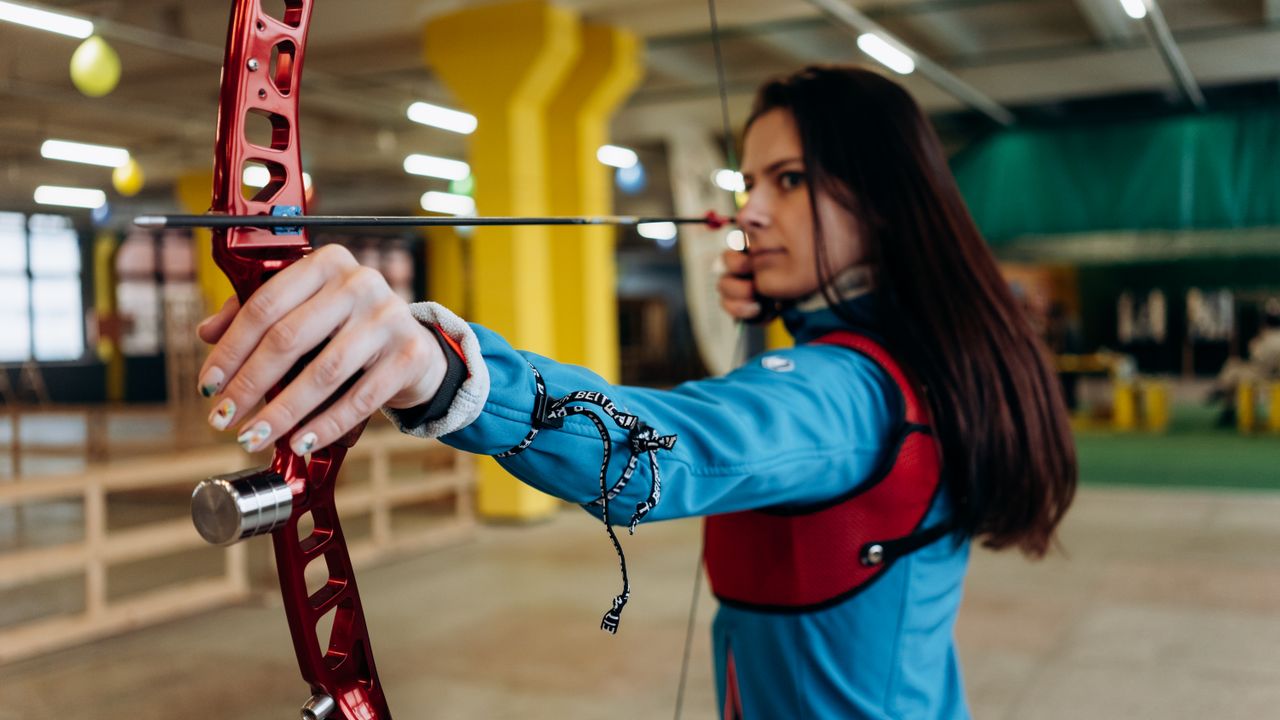
Individual sports teach lessons that extend far beyond competition. Through consistent training, personal responsibility, and mental challenges, athletes develop discipline, focus, and confidence.
The takeaway: individual sports are not only about winning—they are about building the mindset, habits, and determination needed to achieve goals in every area of life.
Frequently Asked Questions
They can develop discipline, patience, goal setting, resilience, focus, and independence.